What Is a Herxheimer Reaction
- October 30, 2023
- Written by : Rebecca LaMarca, MSN, APN-BC, CNS
If you’re undergoing an antibiotic or antimicrobial treatment, you might be dealing with skin irritation, fatigue, fever, pain and more. These are common Herxheimer reaction symptoms and can be extremely uncomfortable to deal with. Understanding this reaction and how to help relieve the symptoms can help you recover more quickly and with less stress.
What Is a Herxheimer Reaction?
A Herxheimer reaction, also called a Herx or Jarisch-Herxheimer reaction, is a temporary physical response that can happen when the body is detoxifying or killing off harmful bacteria too quickly.
Common symptoms include fever, chills, headache, nausea, muscle aches, rapid heartbeat (tachycardia), low blood pressure, flushing, and sometimes a short-term worsening of skin conditions. Though uncomfortable, this reaction is usually short-lived and can be a sign that the treatment is working.
Treating conditions caused by bacterial infections, like Lyme disease or syphilis, can lead to this reaction in some people. Not everyone undergoing these treatments experiences this reaction, but it brings several uncomfortable symptoms when it happens.
Symptoms of Herxheimer reactions can vary but often include:
- Fever
- Chills
- Muscle aches and pains
- Fatigue
- Headache
- Sweating
- Skin rashes or itching
- Joint pain
- Nausea
- Increased severity of the original symptoms related to the infection being treated
It’s important to note these symptoms can range from mild to severe and may differ depending on the specific infection being treated and the individual’s overall health. If you or someone you know experiences a Herxheimer reaction, it’s essential to contact their healthcare provider to discuss the best course of action.
Herxheimer Reaction Causes and Triggers
The Herxheimer reaction typically manifests as worsening symptoms of the infection being treated. While the exact cause is unknown, it’s been proposed that it occurs when antibiotics or other antimicrobial therapies start to kill off large numbers of bacteria in the bloodstream. As the bacteria die, they release toxins into the bloodstream faster than the body can eliminate them. This sudden surge in toxins can lead to a range of symptoms and an increase in the severity of the original symptoms.
This adverse reaction can occur for hours or weeks, depending on the affected person and their body. While dealing with a Herxheimer response can be uncomfortable, it is usually a sign that the initial treatment is working. Patients can get treatments to help soothe the effects of Herxheimer reactions and make the discomfort more bearable.
A Herxheimer reaction is primarily initiated by the rapid release of bacterial toxins into the bloodstream during specific medical treatments. This reaction can occur in response to various bacterial infections, and the triggers for a Herxheimer reaction include:
- Antibiotic or antimicrobial treatment: Initiating antimicrobial or antibiotic treatment drugs is a common trigger. Treatments used to combat bacterial infections like Lyme disease, syphilis, or bacterial endocarditis can all lead to Herxheimer reactions.
- Rapid bacterial die-off: The reaction occurs due to a significant, rapid die-off of bacteria, especially when the treatment is highly effective or involves a broad-spectrum antibiotic.
- Bacteria type: Certain bacteria may be more likely to cause a reaction due to their toxin release.
- Treatment intensity: The treatment’s dosage and duration can influence the likelihood and severity of the response. High doses or prolonged treatment may increase the risk.
Symptoms and Duration
We’ve already provided a brief list of possible Herxheimer symptoms, but let’s break down what this reaction looks like in more detail. Although the reaction can look different for each patient, here are some of the most common symptoms of a Herxheimer reaction.
- Fever and chills: Patients having a Herxheimer reaction will start to experience flu-like symptoms, including an increase in temperature that leads to a fever and chills.
- Gastrointestinal symptoms: A Herxheimer reaction can impact the gastrointestinal tract. Patients often experience symptoms like nausea, vomiting, bloating, or diarrhea.
- Tachycardia: This is when the heart speeds up to a rate of over 100 beats per minute. Tachycardia happens as part of an inflammatory response to the bacteria in the bloodstream.
- Rash and worsening of existing skin lesions: Many patients will experience a rash while having a Herxheimer reaction. This can look like small red dots or patches and is particularly common in Lyme disease or syphilis patients. The skin affected by the rash may feel inflamed, itchy, or even painful. If you already have skin lesions or rashes due to your condition, these lesions can worsen.
- Fatigue, aches, and pains: A Herx reaction can feel like the flu in many ways. In addition to a fever, patients may experience intense fatigue, aches, and pains throughout the body. This can include both joint pain and muscle pain. The pain happens as the body works hard to process the excess dead bacteria.
- Hypotension: Hypotension happens when your blood pressure falls below a normal range. In general, any blood pressure under 90/60 is cause for concern. Low blood pressure can make you feel dizzy and even faint, and needs to be addressed by a medical professional right away.
- Uterine contractions during pregnancy: If a pregnant woman develops a Herxheimer reaction, she may experience uterine contractions. In some cases, this can even lead to the onset of preterm labor, which requires immediate medical attention and ongoing fetal monitoring.
The onset of a Herxheimer reaction usually happens just one to two hours after the antibiotic or antimicrobial treatment starts. The reaction usually reaches its peak around seven hours after treatment starts and usually lasts anywhere from 12 to 24 hours in total. However, some symptoms can remain present for days or weeks.
In most cases, this reaction does not usually repeat during the same round of antibacterial or antimicrobial treatments. This is because the high volume of bacteria that originally caused the Herxheimer reaction has already died off and exited the bloodstream. Repeat reactions during the same treatment are possible in some extreme cases but are rare.
It’s essential to seek treatment right after the Herxheimer reaction starts. This is because the reaction can cause a significant drop in blood pressure, which can lead to organ damage or even sudden death if it isn’t addressed right away. If you believe you or a loved one is experiencing a Herxheimer reaction, monitor your symptoms closely and consult with a medical professional.
Diagnosing Herxheimer Syndrome
A Herxheimer reaction shares symptoms with many other medical conditions. To diagnose it correctly, it’s very important for physicians to understand how a Herx reaction happens and what symptoms to watch out for.
Herxheimer reactions are often confused with the following conditions:
- Allergic reaction: Because of the rash that often occurs in a Herxheimer reaction, many patients and their care teams assume that they are allergic to penicillin or other ingredients in their antibacterial treatment.
- Sepsis: On the surface, Herxheimer reactions look like the initial infection is getting worse. It may even appear that the patient is developing sepsis.
- Viral illness: Because Herxheimer’s causes a fever, chills, and aches, it is often confused with the flu and other viral illnesses.
To diagnose a Herxheimer’s reaction, doctors will start by looking at the patient’s medical history. In particular, they will look for conditions like syphilis or Lyme disease that are often associated with Herxheimer’s. Additionally, they’ll consider the medications you’ve been taking recently and whether you’ve needed to have antibiotic or antimicrobial treatment. If so, there is a good chance that you have Herxheimer’s and that it needs to be treated as such.
Then, the doctor will conduct a physical examination to learn more about your symptoms and check your vital signs. If they align with traditional Herxheimer’s symptoms, they will make a diagnosis and proceed with treatment. This process will need to be done quickly to prevent severe health consequences.
There aren’t specific lab tests available for Herxheimer reactions, so the diagnosis is based primarily on your health history and visible symptoms. However, your doctor may order comprehensive blood tests or liver function tests to learn more about how your body responds to infection and medication in general. This can be particularly helpful if you’re unsure of the underlying cause of your Herxheimer’s reaction.
Managing Herxheimer Reactions
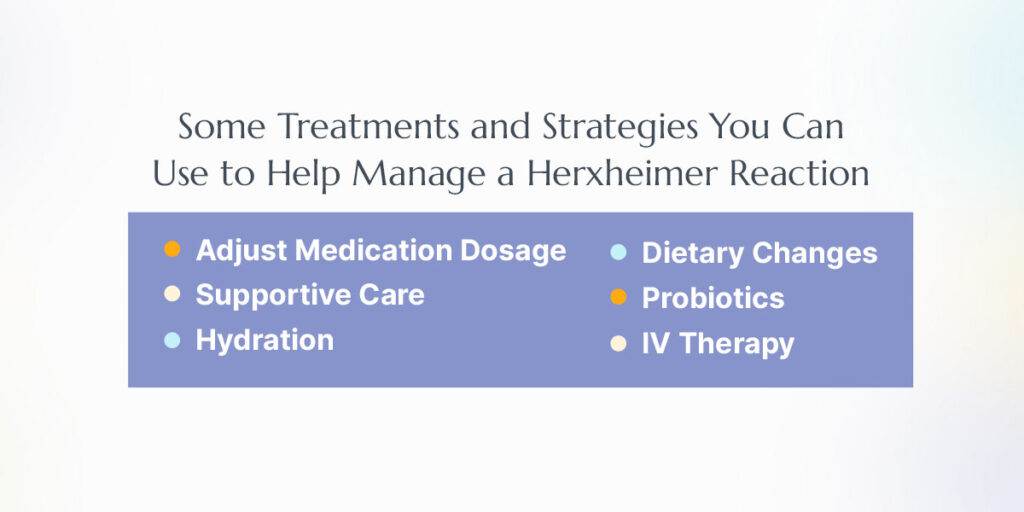
Managing a Herxheimer reaction involves alleviating the uncomfortable symptoms while ensuring the underlying infection is still treated effectively. Here are some treatments and strategies you can use to help manage a Herxheimer reaction:
1. Adjust Medication Dosage
Tailoring the medication dosage is a crucial strategy in managing a Herxheimer reaction. When the reaction is particularly severe or uncomfortable, healthcare providers may consider reducing the dosage or frequency of the antibiotics or antimicrobial drugs. This adjustment slows down the bacterial die-off, lessening the intensity of the reaction. It’s a delicate balance, as reducing the dose too much can compromise the treatment’s effectiveness. Close monitoring and communication with a healthcare professional are essential to determine the appropriate dosage adjustments.
2. Supportive Care
Addressing specific symptoms with supportive care can help reduce the reaction’s intensity. Over-the-counter pain relievers can help alleviate muscle aches and reduce fever. Antihistamines may be recommended to help with itching or skin rashes. Anti-nausea medications can provide relief from gastrointestinal discomfort. These measures help manage individual symptoms while the body copes with the process.
3. Hydration
Maintaining adequate hydration is essential during a Herxheimer reaction. As the body processes and eliminates bacterial toxins, staying well-hydrated supports the kidneys and liver in effectively flushing out substances. Proper hydration also helps reduce the risk of complications like kidney injury.
Drinking water, clear fluids, or electrolyte-rich beverages can help replenish fluids due to fever, sweating, and increased urination caused by the reaction. Using intravenous therapy (IV) can also help restore hydration levels and reduce stress on the body.
4. Dietary Changes
A well-balanced diet can play a supportive role in managing a Herxheimer reaction. Opting for foods rich in antioxidants and anti-inflammatory properties, like fruits, vegetables, and whole grains, can help mitigate inflammation and support the body’s recovery process. Additionally, try avoiding foods and substances that may exacerbate symptoms. This includes minimizing or eliminating alcohol and processed foods, which can stress the liver and exacerbate inflammation. Staying hydrated with water, herbal teas, and IVs may also assist in maintaining wellness during a reaction.
5. Probiotics
Including probiotics in the treatment regimen may be beneficial. These live beneficial bacteria can help restore your gut’s microbiome, which antibiotics can disrupt. By replenishing the gut with friendly bacteria, probiotics may help reduce gastrointestinal symptoms. They can also support overall gut health, which is essential for proper digestion and nutrient absorption.
6. IV Therapy
IV therapy can provide essential fluids and electrolytes directly into the bloodstream, addressing dehydration and electrolyte imbalances that can occur during a Herxheimer reaction. IV therapy allows nurses to administer treatments directly into the bloodstream, bypassing the digestive system and delivering rapid relief. With IV therapy, you can receive essential nutrients, vitamins, and antioxidants directly into the body. These therapies help boost your immune system and provide energy for your recovery.
Additionally, IV therapy can be tailored to the individual’s specific needs, allowing nurses to adjust the fluid composition based on the reaction’s severity and the patient’s response.
Explore IV Therapy for Herxheimer Reactions
If you’re dealing with the discomfort of a Herxheimer reaction during your treatment for bacterial infection, consider the potential benefits of personalized IV therapy with IV Element. Our dedicated team can tailor IV therapy to your unique needs, focusing on alleviating inflammation and managing your specific symptoms effectively.
IV Element’s approach aims to optimize your comfort and recovery. Choose from our available IV packages or specialty treatments for rapid relief, or work with our nurses to get a custom treatment for your needs. Experience relief and personalized IV therapy solutions when you contact IV Element today!
REFERENCES
- Jarisch-Herxheimer Reaction: https://www.ncbi.nlm.nih.gov/books/NBK557820/
- Active Compounds in Fruits and Inflammation in the Body: https://www.ncbi.nlm.nih.gov/pmc/articles/PMC9229651/
- The Inflammatory Response to Alcohol Consumption and Its Role in the Pathology of Alcohol Hangover: https://www.ncbi.nlm.nih.gov/pmc/articles/PMC7408936/
- Low-Grade Inflammation and Ultra-Processed Foods Consumption: A Review: https://www.ncbi.nlm.nih.gov/pmc/articles/PMC10058108/
- Herxheimer Reaction: https://www.sciencedirect.com/topics/immunology-and-microbiology/herxheimer-reaction
- The Jarisch-Herxheimer Reaction After Antibiotic Treatment of Spirochetal Infections: A Review of Recent Cases and Our Understanding of Pathogenesis: https://pmc.ncbi.nlm.nih.gov/articles/PMC5239707/
 Share
Share  Tweet
Tweet  Share
Share  Email
Email