IV Therapy for Infertility
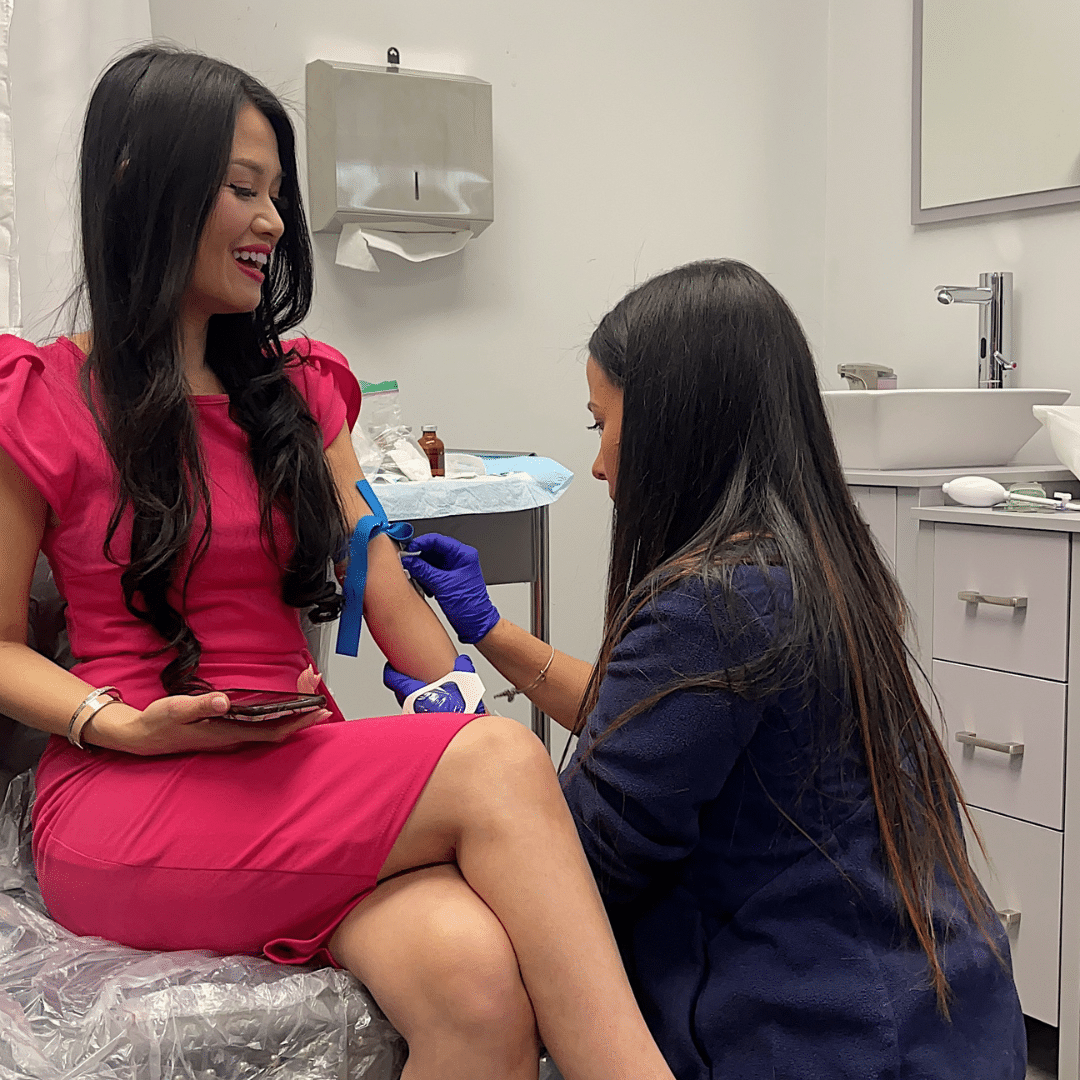
Infertility
Infertility is defined as the failure to conceive after a year of trying, or having multiple miscarriages or stillbirths. It is common, perhaps increasingly so in recent years, with about 10 percent of women between the ages of 15 to 44 unable to get pregnant after a year, according to the Centers for Disease Control and Prevention.
Infertility in women is linked to hormonal imbalances and polycystic ovarian syndrome (PCOS), among other conditions. Yet infertility is not just a woman’s problem. About one-third of cases can be traced back to the man. Both sexes benefit from lifestyle changes to improve their fertility, such as limiting alcohol, reducing exposure to toxins, eating a balanced diet, maintaining a healthy weight, getting regular exercise and managing stress.


