What Is Biofilm?
- November 18, 2024
- Written by : Rebecca LaMarca, MSN, APN-BC, CNS
Biofilm is a layer of bacteria that can accumulate in or on the body. The bacteria adheres to surfaces and encases itself in a protective matrix, which can form on tissues within parts of the body, including the gut. Biofilms can consist of a single microorganism or a combination of bacteria, fungi, archaea or protozoa. Their matrix comprises extracellular polymeric substances (EPS), including proteins, polysaccharides, and extracellular DNA (eDNA).
Biofilm can weaken the immune system and cause the body to resist antibiotics, leading to chronic infections and impacting overall health. As a result, it’s essential to understand biofilm’s impact on the body and the prevention strategies and advanced therapies that target it.
Biofilm in the Body
Biofilms can form on various tissues in the body, including the teeth as dental plaque, in the gastrointestinal tract and on implanted medical devices like catheters or prosthetic joints.
Below are key areas where biofilms grow:
- Teeth: Dental plaque, a type of biofilm, is a sticky collection of bacteria, dead cells and salivary proteins. It forms on teeth and around the gums when bacteria stick together and surfaces in the mouth. If left untreated on the teeth and gums, biofilm can also increase the risk of tooth decay, gingivitis and gum disease.
- Implantable medical devices: Biofilms can form on medical devices like urinary catheters and cardiac implants, such as pacemakers and artificial heart valves.
- Gastrointestinal tract: Biofilms can protect the gut by preventing pathogens from proliferating. However, they can become harmful when they come into contact with mucosal tissues, potentially leading to intestinal diseases.
Additionally, biofilms can form in the middle ear, upper respiratory tract, lung, stomach, colon, bone and soft tissue wounds.
Biofilm’s Impact on Health
The biofilm’s protective matrix helps it evade immune responses and reduces the effectiveness of antibiotics. Essentially, biofilms create a barrier that prevents immune cells from effectively targeting bacteria. They also facilitate gene transfer among bacteria, increasing bacterial virulence and resistance traits.
This defense mechanism allows bacteria to persist within the body, leading to recurrent infections that are difficult to treat. Approximately 70% of all human microbial infections are due to biofilms, leading to diseases like:
- Non-healing chronic wounds.
- Periodontitis.
- Meningitis.
- Osteomyelitis kidney infections.
- Cystic fibrosis.
- Prosthesis.
- Implantable device-related infections.
The presence of biofilms can worsen existing conditions like cystic fibrosis by providing a persistent source of inflammation. Increased resistance to antimicrobial treatments can also complicate infection management and control efforts in the human body.
As such, current medical research focuses on understanding and finding ways to disrupt or prevent biofilm formation — helping to improve outcomes for patients suffering from various biofilm-related health issues.
Biofilm in the Gut
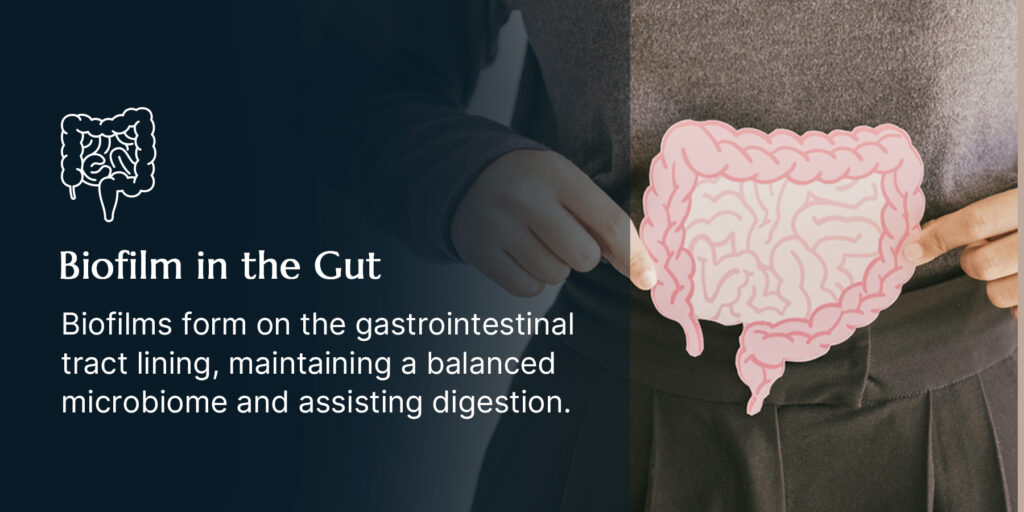
Biofilms form on the gastrointestinal tract lining, maintaining a balanced microbiome and assisting digestion. However, they can also harbor harmful pathogens that disrupt gut health.
For instance, pathogenic biofilms in the gut can worsen symptoms of gastrointestinal disorders like irritable bowel disease (IBD) and Crohn’s disease. They may cause inflammation, alter gut permeability and impact the body’s ability to absorb nutrients.
Advanced Therapies Targeting Biofilms
Bacteria within biofilms can be up to 1,000 times more resistant to antibiotics than planktonic, or free-living, bacteria, making infections difficult to clear with standard treatments. Additionally, diagnosing biofilm-associated conditions can be challenging because symptoms can be non-specific, mimic other diseases or be challenging to diagnose with standard diagnostic tests that cannot detect bacteria protected within the biofilm matrix.
Innovative treatments that show promise in disrupting biofilms include the following.
Enzyme Therapy
Enzyme therapy may combat biofilm-related health issues by targeting the biofilm matrix itself. The matrix gives the biofilm its structural integrity and defense capabilities. Specific enzymes, like DNases, proteases and glycoside hydrolases, can break down matrix components, disrupting them and exposing the bacteria to the immune system and antimicrobial agents.
This enhances the effectiveness of conventional antibiotics and helps prevent the recurrence of infection. Clinical applications of enzyme therapy are being explored throughout dentistry, wound care and other contexts.
Phage Therapy
Bacteriophages, also known as phages, are viruses that infect and replicate only in bacterial cells, leaving human cells unharmed. The targeted approach can, therefore, eradicate pathogenic bacteria within a biofilm without harming beneficial microbes.
Phages bind to the bacterial cell wall and inject their genetic material, causing the production of new phages within the bacterium. When they burst, they release more to infect other bacteria, continuing the cycle.
Phage therapy offers hope for treating persistent biofilm-related infections that are resistant to other forms of treatment.
Personalized Medicine Approaches
Intravenous (IV) therapy can be a personalized approach to fight infections and manage symptoms of biofilm-related illnesses. While not an outright cure, since the protective nature of biofilm makes complete eradication difficult, IV therapy can be part of a comprehensive treatment plan to combat infections.
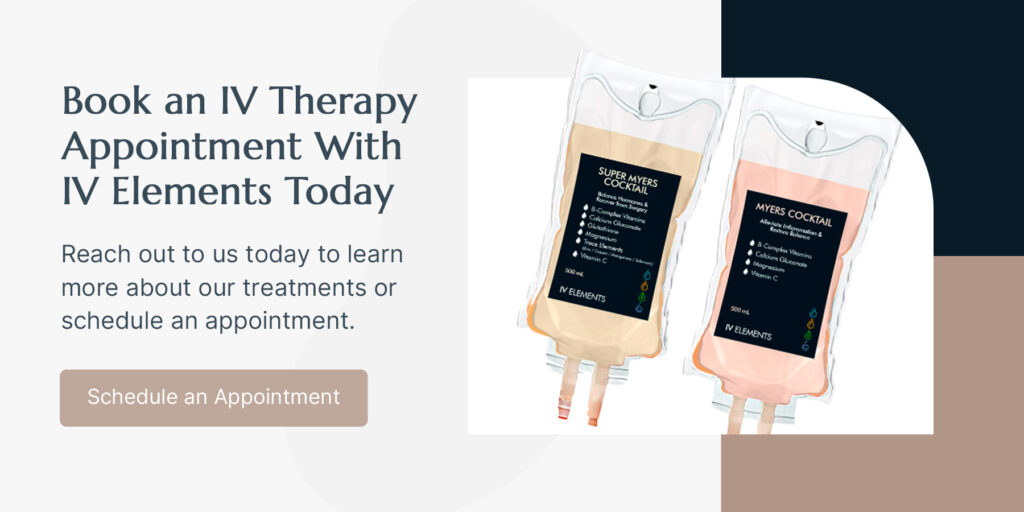
For example, IV therapy like the Myers Cocktail can boost gut health in people with chronic IBD, a disease commonly worsened by biofilm. Along with hydrating your body, the drip delivers B-complex vitamins, calcium gluconate, magnesium chloride and vitamin C directly into your bloodstream, targeting chronic inflammation, fatigue and stress.
IV infusions typically work best with multiple treatments, making them one aspect of a comprehensive treatment plan to address biofilms in the body. Mobile IV therapy can be especially convenient to fit your busy lifestyle, as you can receive infusions in your home or office.
Preventive Measures and Daily Practices
The medical field is developing antibiofilm materials to coat medical devices and prevent biofilm formation and related infections. Beyond these technological advancements, individuals can take preventive measures to reduce the risk of biofilm formation in their bodies:
- Good hygiene practices: Frequent and proper handwashing can prevent the spread of bacteria that might contribute to biofilm formation. You should also brush your teeth twice daily, floss and use mouthwash to reduce biofilm dental plaque. Promptly clean and cover cuts or wounds to prevent bacterial colonization and biofilm development.
- Healthy dietary choices: Consume a diet rich in fruits, vegetables, lean proteins and whole grains to support your immune function. Limit sugar to prevent bacteria growth, especially in oral biofilms, and drink plenty of water to flush out bacteria.
- Probiotic therapies: Probiotic supplements may introduce beneficial bacteria to your gut microbiome to prevent pathogenic bacteria from establishing biofilms. You might also incorporate fermented foods like yogurt, kefir or kombucha into your diet to increase the presence of good bacteria in the gut. Additionally, eating prebiotic fibers in foods like garlic, onions and bananas may nourish helpful gut bacteria and suppress harmful types that form biofilms.
Book an IV Therapy Appointment With IV Elements Today
Understanding and targeting biofilms is essential in treating conditions, with advanced therapies like phage and enzyme therapy showing promise in disrupting biofilms. Preventive measures like good hygiene and healthy diet choices can also help you prevent biofilm-related illnesses, while IV therapy may help manage symptoms.
IV Elements provides quality IV drips and alternative medicine services to help treat various diseases and health conditions, including Crohn’s disease, IBD and ulcerative colitis. Our qualified nurses can provide IV therapy at your home, office, event space or one of our locations.
Reach out to us today to learn more about our treatments or schedule an appointment.
REFERENCES:
- Biofilm Formation and Control of Foodborne Pathogenic Bacteria: https://www.ncbi.nlm.nih.gov/pmc/articles/PMC10058477/
- Biofilms: Understanding the structure and contribution towards bacterial resistance in antibiotics: https://www.sciencedirect.com/science/article/pii/S2590097823000095
- Microbial Biofilm: A Review on Formation, Infection, Antibiotic Resistance, Control Measures, and Innovative Treatment: https://www.ncbi.nlm.nih.gov/pmc/articles/PMC10305407
- Gut microbiota biofilms: From regulatory mechanisms to therapeutic targets: https://www.ncbi.nlm.nih.gov/pmc/articles/PMC9884580/
- Biofilms: Understanding the structure and contribution towards bacterial resistance in antibiotics: https://www.sciencedirect.com/science/article/pii/S2590097823000095
- Strategy to combat biofilms: a focus on biofilm dispersal enzymes: https://www.nature.com/articles/s41522-023-00427-y
- Bacteriophage-Mediated Control of Biofilm: A Promising New Dawn for the Future: https://www.ncbi.nlm.nih.gov/pmc/articles/PMC9048899/
- Handwashing facts: https://www.cdc.gov/clean-hands/data-research/facts-stats/index.html
- Alteration of oral microbial biofilms by sweeteners:
https://www.sciencedirect.com/science/article/pii/S2590207523000680 - Elucidating the role of diet in maintaining gut health to reduce the risk of obesity, cardiovascular and other age-related inflammatory diseases: recent challenges and future recommendations: https://www.ncbi.nlm.nih.gov/pmc/articles/PMC10773664/
- IV Therapy to Support Gut Health: https://ivelements.net/gut-health
- Our Mission: https://ivelements.net/overview
- Book an IV Therapy Appointment With Us: https://ivelements.net/book-now-1
 Share
Share  Tweet
Tweet  Share
Share  Email
Email