Microplastics and Endocrine Disruptors: What New Jersey Residents Should Know
- September 25, 2026
- Written by : Rebecca LaMarca, MSN, APN-BC, CNS
Key Takeaways
- Microplastics are tiny plastic particles under 5 mm that act as endocrine disruptors, interfering with hormone regulation, reproductive health, and metabolism.
- Rutgers University research has found microplastics and 300+ organic chemical compounds in the Raritan and Passaic rivers, which supply water to millions of New Jersey residents.
- Governor Phil Murphy led a coalition of seven states in November 2025 petitioning the EPA to include microplastics in nationwide drinking water monitoring.
- Simple lifestyle changes (filtered water, glass storage, fragrance-free products, HEPA vacuuming) can significantly reduce daily microplastic exposure.
- IV Elements offers EBOO therapy, functional lab testing, and personalized IV protocols designed to support your body’s natural defenses against environmental toxins.
Microplastics have become a growing health concern for New Jersey residents. These tiny plastic particles contain dangerous chemicals and toxins that pose a serious threat to your health. When they enter your body, they act as endocrine disruptors, chemicals that disrupt hormone regulation, reproductive health, and metabolism. Here’s what New Jersey residents should know about microplastics, along with how to support your body’s natural elimination processes.
What are microplastics in humans?
Quick answer: Microplastics are tiny plastic particles under 5 millimeters in size that enter the human body through contaminated water, food, and air. Once inside, they circulate in the bloodstream and can enter organ tissues, where they may act as endocrine disruptors and contribute to inflammation and oxidative stress.
Microplastics are tiny plastic particles under five millimeters in size. They appear when bigger plastic items (like plastic wrap, tires, and paint) disintegrate over time. Some microplastics are also made on purpose, such as cosmetic microbeads.
No matter where they come from, microplastics don’t readily biodegrade, so they end up contaminating the water, soil, and air. According to the Organisation for Economic Co-operation and Development (OECD), 2.7 million tonnes of microplastics entered the environment in 2020, and that number is expected to double by 2040.
You can accidentally swallow microplastics by consuming contaminated water or food, especially seafood, highly processed food, or food that comes in plastic packaging. Also, synthetic fibers from clothes, carpets, and tire dust may contaminate the air and be inhaled into your lungs. Once inside your body, microplastics start circulating in your bloodstream, where they can then enter your organ tissues.
What are the health effects of microplastics?
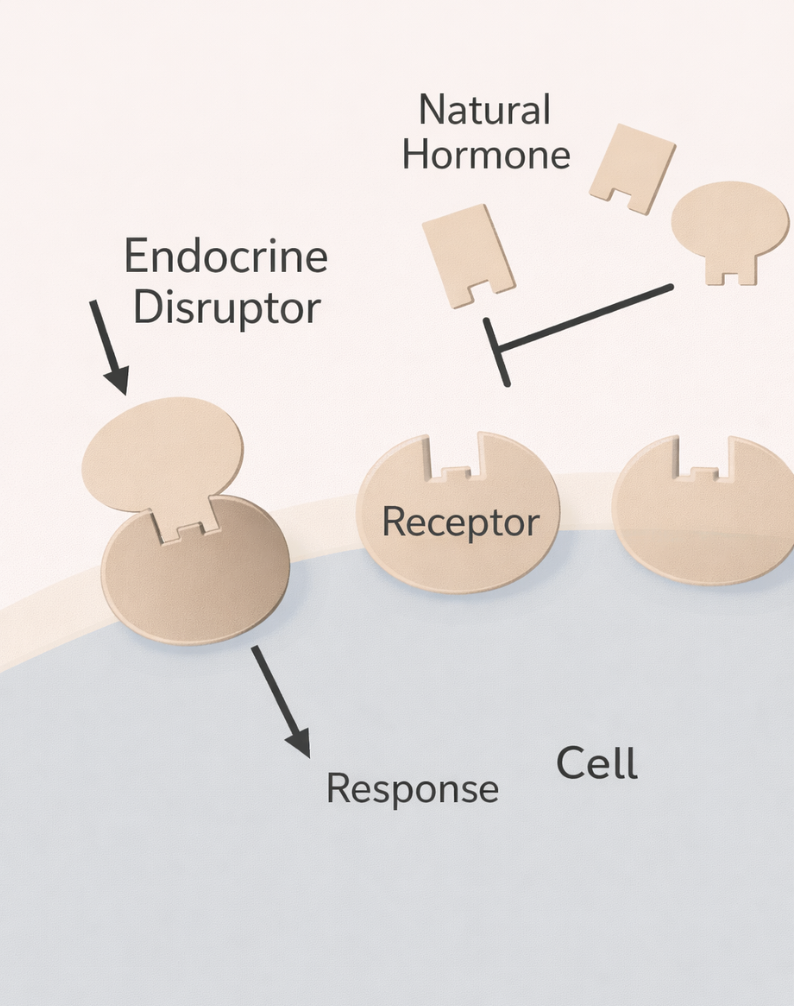
Microplastics can take a serious toll on human health. In particular, they may contribute to tissue inflammation and generate oxidative stress that damages cells. They also act as endocrine disruptors by releasing chemical additives like phthalates, BPA, and BPS into the body. Recent research from Rutgers University found that microplastics cause the human body and food crops to absorb up to six times more heavy metals and pesticides, two of the most common endocrine disruptors, than they would otherwise.
Once inside your body, endocrine disruptors can mimic, block, or change normal hormone signals. This affects important functions like mood, metabolism, and reproduction, leading to harmful microplastic exposure symptoms. The most common symptoms include:
- Unexplained fatigue or low energy
- Anxiety, depression, or other mood changes
- Trouble concentrating, organizing tasks, or making decisions
- Problems with short-term memory
- Unexplained weight gain
- Digestive symptoms like bloating, gas, or stomach pain
- Respiratory symptoms like shortness of breath, chest tightness, and asthma-like wheezing (from inhaling particles)
- Weak, sore, or aching muscles
- Skin changes, including redness, dryness, flakiness, acne, or hives
- Irregular menstrual cycles
- Altered testosterone levels
- More frequent infections
Over time, microplastic exposure can contribute to serious health concerns like liver damage, thyroid disease, and reproductive problems.
Concerned about your exposure to microplastics or other environmental toxins? Our clinical team offers functional lab testing to identify hormonal imbalances and toxin markers so we can build a personalized care plan.
Schedule Your Consultation →Are microplastics in New Jersey drinking water?
Yes. Researchers from Rutgers University have identified more than 300 organic chemical compounds linked with microplastic particles in the Raritan and Passaic rivers. These rivers supply water to millions of New Jersey residents. Standard municipal treatment plants are designed only to filter out larger compounds like bacteria and sediment, so the tiny microplastic particles pass right through.
What is New Jersey doing about microplastics?
Multiple New Jersey leaders have taken action to help stop the spread of microplastics throughout the state. In November 2025, Governor Phil Murphy led a coalition of seven states (including New Jersey, Delaware, Illinois, Maryland, Wisconsin, Michigan, and Connecticut) in petitioning the U.S. Environmental Protection Agency (EPA) to include microplastics in the Sixth Unregulated Contaminant Monitoring Rule (UCMR-6) for nationwide drinking water monitoring. The petitioners hope this move will influence the U.S. to set nationwide drinking water standards for microplastics. According to Governor Murphy, “We deserve to better understand the potential for microplastics contamination in our drinking water.”
Another 2025 victory in New Jersey’s fight against microplastics arrived with the state’s PFAS (per- and polyfluoroalkyl substances) settlements. PFAS are some of the most common endocrine disruptors that appear in plastic items and contaminate drinking water. They’re often called “forever chemicals” because they can’t be broken down in the human body. New Jersey successfully secured multi-billion-dollar settlements with DuPont and 3M, two major chemical manufacturers. The settlements will be used to fund PFAS cleanup, treat contaminated drinking water, and restore damaged natural resources across New Jersey.
These events serve as important first steps toward improving our state’s health.
How can NJ residents reduce microplastic exposure?
While policy catches up, here’s what you can do now to reduce microplastic exposure:
- Switch from bottled water to tap water filtered with a reverse osmosis or carbon block system
- Avoid ultra-processed foods like sugary drinks, potato chips, and processed meats
- Avoid heating plastic containers or plastic-wrapped food in the microwave
- Avoid recycled black plastic containers, which may contain contaminants from electronic waste
- Avoid plastic cutting boards
- Store leftovers in glass containers instead of plastic ones
- Choose fragrance-free cleaners and personal care products
- Use a HEPA vacuum to remove synthetic dust from carpets and other surfaces
How do you remove microplastics from your body?
You can help support your body’s natural microplastic elimination processes by eating plenty of high-fiber foods like fruits, vegetables, and legumes. These foods can support healthy digestion and regular bowel movements, which may help your body eliminate unwanted substances through stool. Fermented foods like kimchi and sauerkraut can also support a healthy gut microbiome. In addition, antioxidant-rich foods such as berries and broccoli may help support the body’s defenses against inflammation and oxidative stress linked with microplastic exposure.
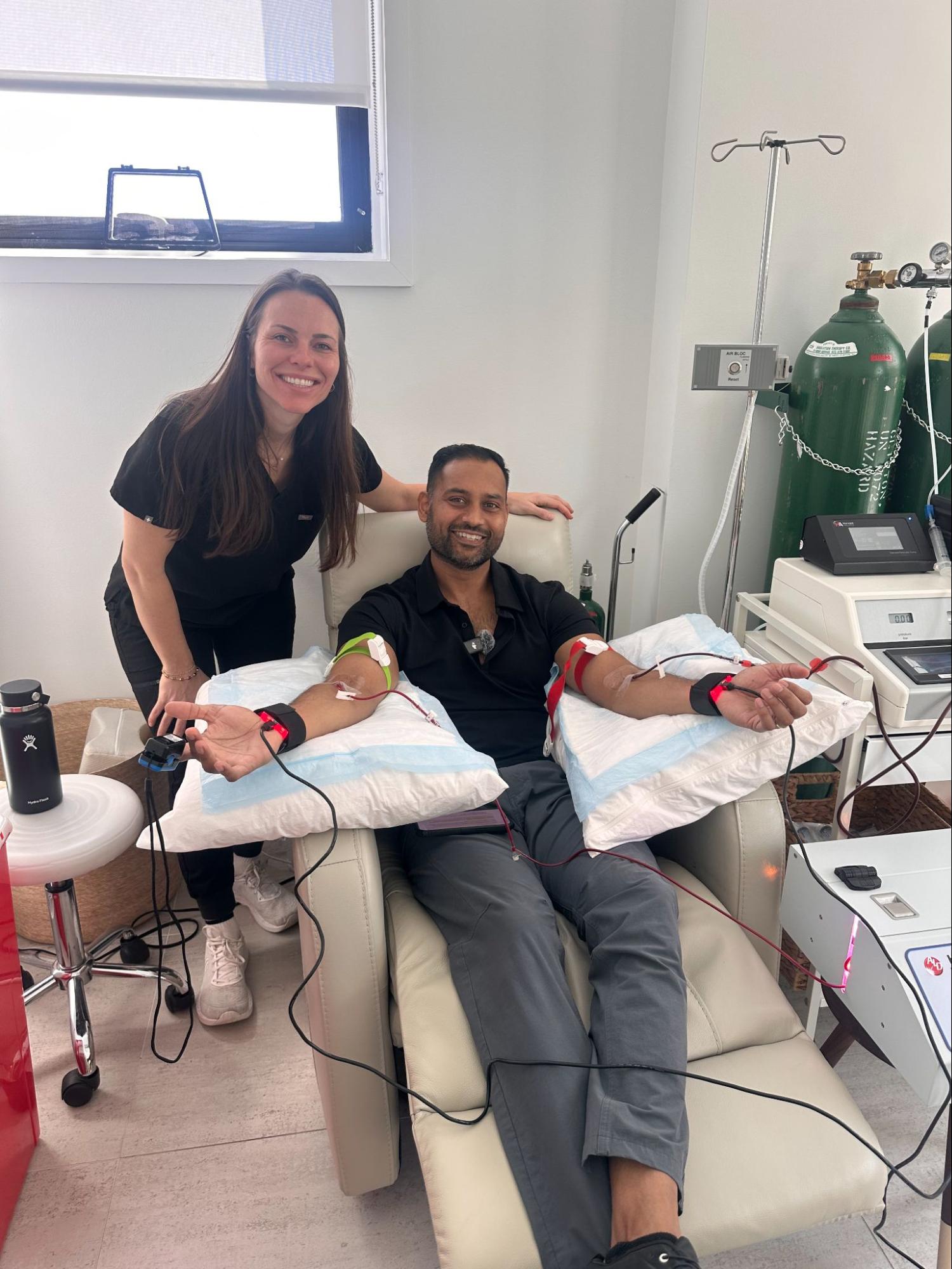
Also, IV Elements provides specialized wellness treatments designed to support your body’s natural defenses against environmental stressors like microplastics. Our most popular service for microplastic exposure is EBOO therapy. During EBOO, blood is continuously circulated through a machine that exposes it to medical-grade ozone and oxygen before it’s reinfused into the body. It’s designed to help manage oxidative stress and support oxygen delivery. Some integrative health practitioners also suggest that it may help the body filter out environmental toxins, including microplastics, though more studies are needed.
Our board-certified team also offers functional lab testing to help you identify nutrient deficiencies, hormonal imbalances, and other bodily stressors that may leave you more vulnerable to microplastics. These tests can help us create a personalized IV drip to strengthen your defenses against toxins. Our customizable drips offer support for functions like hydration, energy, inflammation response, and metabolic health, all to ensure your system functions at its best.
Integrative Detox Support
EBOO therapy, functional lab testing, and personalized IV protocols at IV Elements. In-lounge across NJ or mobile across NJ, NYC, Philadelphia & Bucks County, PA.
Book Your ConsultationStay safe from microplastics with the help of IV Elements
Want to learn more about how to support your body’s defenses against microplastics? Turn to the team at IV Elements. Our ER-trained nurses offer medically supervised EBOO therapy, personalized IV treatments, and functional lab testing designed to help you understand your specific exposure risks. Care is available at drip lounges in Hoboken, Parsippany, Asbury Park, and Marlton, along with mobile concierge service across NJ, NYC, Philadelphia, and Bucks County, PA. As members of the Physicians’ Association for Anthroposophic Medicine (PAAM), the Institute for Functional Medicine (IFM), and the Society for Integrative Oncology (SIO), the team delivers whole-person integrative care. Schedule your consultation today.
Frequently Asked Questions
Are microplastics endocrine disruptors?↓
Yes. Microplastics act as endocrine disruptors, which means they release hormone-disrupting additives like BPA, BPS, phthalates, and PFAS right into the body.
Can you remove microplastics from the body naturally?↓
By eating fiber-rich foods and drinking plenty of water, you can support your body’s natural elimination pathways and help flush microplastics through your gut before they reach your bloodstream. At IV Elements, we also offer specialized IV protocols and EBOO therapy for clients who want additional support for oxidative stress and detoxification pathways. More research is needed to confirm any treatment’s direct effect on microplastic elimination.
Is there a blood test for microplastics?↓
There currently aren’t any standard tests that can identify microplastics in blood. But you can get functional labs at IV Elements that test secondary markers of microplastic exposure, such as hormone levels, inflammation markers, and oxidative stress markers.
How do I avoid microplastics?↓
You can reduce microplastic exposure by making simple lifestyle changes like filtering your drinking water with a reverse osmosis or carbon block system, limiting highly processed foods, not using plastic cutting boards, using glass containers instead of plastic ones, buying fragrance-free products, and vacuuming carpets with a HEPA vacuum.
Does EBOO remove microplastics?↓
Some people are interested in the use of EBOO for microplastics because the treatment involves a filtration system, but no studies have proven that it can physically filter out microplastics from the blood. However, it may support oxygen delivery and stimulate your body’s natural antioxidant pathways, meaning it could help reduce inflammation and oxidative stress caused by environmental toxins, though more studies are needed. Learn more about EBOO therapy at IV Elements.
What foods help remove microplastics?↓
Fiber-rich foods like vegetables, fruit, and legumes, along with fermented foods like sauerkraut and kimchi, can help your body eliminate microplastics through your gut before they reach the bloodstream. Also, foods high in antioxidants, like berries and broccoli, can help reduce oxidative stress and inflammation linked with microplastic exposure.
References
- OECD. (2024). Policy scenarios for eliminating plastic pollution by 2040. OECD Publishing. doi.org
- Rutgers School of Public Health. (2025). Micro-nano plastics Make Other Pollutants More Dangerous to Plants and Intestinal Cells. sph.rutgers.edu
- Office of the Governor of New Jersey. (2025). Governor Murphy petitions EPA on microplastics in drinking water. nj.gov
- New Jersey Office of Attorney General. (2025, August 4). AG Platkin, DEP Commissioner LaTourette: Landmark Settlement with DuPont Valued at Over $2 Billion. njoag.gov
- IV Elements. (2025, November 17). EBOO Therapy NJ | Blood Oxygen & Ozone Treatment. ivelements.net
- IV Elements. (2025, November 13). Functional Lab Testing. ivelements.net
- IV Elements. (2025, November 13). Vitamin Infusion: Get At-Home IV Drip for Revitalization. ivelements.net
 Share
 Tweet
 Share
 Email


