IV vs. Drinking Water: What is More Effective for Providing Hydration?
- January 6, 2025
- Written by : Rebecca LaMarca, MSN, APN-BC, CNS
Staying properly hydrated is essential, especially for those committed to maintaining optimal health and wellness. With the growing popularity of intravenous (IV) hydration therapy, understanding the differences between IV therapy and drinking water can help you make an informed decision based on your body’s needs.
So, what are the differences between IV vs. drinking water—and what’s the best choice for your health goals and lifestyle? We’ll break down how each method impacts your body, when one might be preferred over the other and how you can integrate these strategies into your daily routine. Whether you’re looking to enhance your wellness routine or seeking solutions for specific health concerns, here’s how to choose the most effective hydration strategy.
The Importance of Drinking Water
Drinking water is fundamental for daily hydration and plays a crucial role in maintaining overall health and bodily functions. It helps regulate body temperature, support digestion, and transport nutrients and oxygen to cells. Consistent water intake helps prevent dehydration, which can lead to symptoms such as fatigue, headaches, and decreased cognitive function.
Drinking Water vs. IV Fluids
Drinking water and IV fluids are two distinct approaches to hydration, each with its own set of benefits and applications. As the most common and accessible method, drinking water helps maintain daily hydration and supports overall health. It’s readily available at home and fits seamlessly into most people’s daily routines, providing essential hydration with minimal effort.
Meanwhile, intravenous (IV) fluids offer a more direct and rapid method of hydration. By delivering fluids and nutrients directly into the bloodstream, IV therapy quickly addresses more acute hydration needs, such as those experienced during intense physical exertion, recovery from illness or severe dehydration. This method can be particularly beneficial for individuals who require immediate results or have difficulty absorbing fluids through the digestive system.
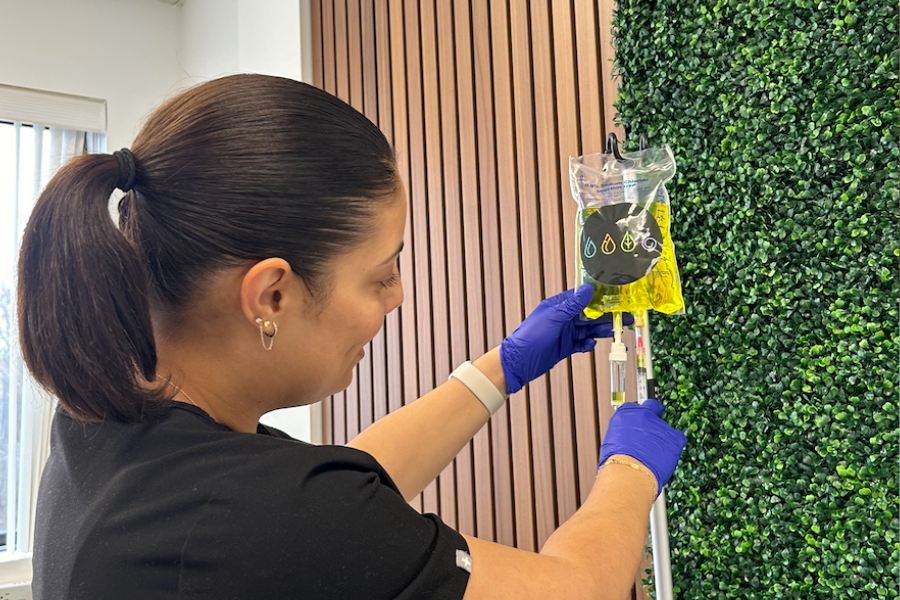
7 Benefits of an IV vs. Water Drinking Water
IV hydration offers specific benefits over drinking water, making it an ideal choice to support your lifestyle and hydration efforts.
1. Quicker Hydration
IV hydration provides an immediate infusion of fluids directly into the bloodstream, promoting rapid and efficient rehydration. Unlike drinking water, which must be absorbed through the digestive system and can take time to fully hydrate the body, IV fluids bypass the digestive process, delivering instant hydration. This can be particularly beneficial when swift rehydration is needed, such as during severe dehydration, post-surgery or after intense physical activity.
2. Higher Nutritional Value
IV hydration can be enhanced with a range of vitamins, minerals, and other nutrients that are delivered directly into the bloodstream. This provides a more comprehensive boost to your nutritional status than drinking water alone, which provides hydration but lacks the additional nutrients. IV fluids can be tailored to include specific supplements such as high-dose vitamin C, B vitamins, or electrolytes, addressing health conditions and deficiencies more effectively.
3. Stronger Immune System Support
Infusing fluids with immune-boosting nutrients through IV therapy can support your body’s defense mechanisms more effectively than drinking water alone. IV vitamin drips can include high doses of vitamin C, zinc, and other antioxidants that support immune function and help the body combat infections and illnesses. This targeted approach can help support your immune system, especially when you’re feeling run-down or recovering from illness.
4. Easier on the Body
IV treatment offers a gentler alternative for individuals with digestive issues or those who struggle with absorption. Drinking large amounts of water can lead to bloating or discomfort, especially if the body cannot absorb fluids efficiently. IV therapy avoids these issues by delivering hydration directly into the bloodstream, making it easier on the digestive system and more suitable for those with gastrointestinal conditions.
5. More Complete Brain Nourishment
Proper hydration is essential for optimal brain function, and IV therapy can provide a more direct and immediate boost to cognitive function. By delivering fluids and nutrients straight into the bloodstream, IV hydration provides the brain with necessary hydration and nutrients quickly, potentially supporting clarity, focus and overall performance. This can be especially helpful for individuals experiencing dehydration-related cognitive decline or needing supported mental function.
6. Customizable
IV hydration offers the advantage of customization, allowing for tailored solutions to meet specific health needs. You can choose from a variety of fluids, vitamins, and minerals to address particular concerns such as energy levels, skin health or recovery from exercise. This level of personalization is not possible with drinking water, which provides hydration without additional nutrients or targeted benefits.
7. Administered by Experts
IV hydration therapy is administered by trained professionals, so you can rest assured that the process is safe and effective. Experts can monitor your condition, adjust the infusion based on your needs and address any potential complications. This oversight helps you receive the optimal dosage and combination of fluids and nutrients, providing a level of care and precision that goes beyond what’s possible with drinking water.
When is IV Better Than Drinking Water?
Drinking water is essential for daily hydration, but there are specific situations where IV therapy can provide more immediate, effective or targeted benefits. Understanding these situations will help you determine if IV hydration vs. drinking water might be the more suitable choice for your health and wellness needs.
Turn to IV hydration when:
- Experiencing extreme dehydration
- Suffering from heat exhaustion or heatstroke
- In need of relief from hangovers or fatigue
- Recovering from sickness
- Preparing for an intense activity
- After surgery or medical treatments
Start Your Journey to Better Health and Wellness with IV Elements
Both drinking water and IV hydration have key benefits for maintaining hydration and overall health. Drinking water is essential for daily hydration and is easily accessible, making it a practical choice for routine wellness. However, IV hydration offers several advantages, including quicker and more effective rehydration, higher nutritional value, and tailored solutions.
Looking for a more powerful hydration boost? Our team at IV Elements offers mobile IV services, meaning you can experience the benefits of IV hydration from the comfort of your home. With mobile IV services across New York, New Jersey, and Philadelphia, we can provide the benefits of IV hydration from the comfort of your own home.
Schedule an at-home appointment with IV Elements today to start your journey toward better hydration.
FAQs
Is IV hydration better than drinking water?
IV hydration can be more effective than drinking water when rapid and targeted rehydration is needed. IV therapy delivers fluids and nutrients directly into the bloodstream, providing immediate hydration and addressing specific health concerns, such as severe dehydration or nutrient deficiencies. However, for everyday hydration and routine wellness, drinking water is essential.
Why is IV fluid better than drinking water?
Compared to drinking water, IV fluids offer faster hydration, higher nutritional value, targeted treatments for specific health needs and enhanced absorption. These benefits make IV fluids a valuable option for more intensive hydration needs.
How quickly does an IV hydrate you?
An IV can hydrate you very quickly, often within minutes. The exact hydration speed depends on several factors, including the type and volume of fluids administered, your unique health conditions, and the infusion rate. Typically, IV hydration can start showing effects almost immediately as fluids are delivered directly into the bloodstream, rapidly replenishing lost fluids and nutrients.
How much water is equivalent to an IV?
The amount of water equivalent to an IV infusion can vary widely depending on the type and volume of IV fluids administered. A standard IV bag typically contains about 500 to 1,000 milliliters (mL) of fluid, or, roughly equivalent to 2 to 4 cups of water.
However, the effectiveness of IV hydration goes beyond how much water equals an IV bag or the liquid IV equivalent to how much water you drink. IV fluids are delivered directly into the bloodstream and can include electrolytes and nutrients, providing more immediate and targeted hydration than drinking the same amount of water.
Is IV the fastest way to hydrate?
Yes, IV hydration is generally considered the fastest way to hydrate. This is because IV fluids are administered directly into the bloodstream, allowing for immediate absorption. This direct delivery method bypasses the digestive system, which can slow down the absorption of fluids and nutrients from drinking water or oral supplements.
In contrast, drinking water must pass through the digestive tract, where it’s absorbed more slowly. IV hydration is the most efficient and effective method for situations requiring rapid rehydration, such as severe dehydration or medical emergencies.
How long does IV hydration take to work?
IV hydration starts to work within minutes of administration. The fluids and nutrients are delivered directly into the bloodstream, leading to rapid absorption and immediate effects on hydration levels.
What is the biggest difference between IV fluids and drinking water?
The biggest difference between IV fluids and drinking water is their delivery and absorption. IV fluids are administered directly into the bloodstream, allowing for immediate and efficient hydration and nutrient delivery. On the other hand, water must pass through the digestive system before being absorbed into the bloodstream, which can be slower and less efficient for rehydration.
Can IV fluid replace water?
No, IV fluids cannot fully replace drinking water. While IV hydration can provide rapid and effective rehydration and address specific nutritional needs, it does not substitute for routine water intake. Drinking water is necessary to maintain regular hydration levels and support bodily functions throughout the day.
 Share
Share  Tweet
Tweet  Share
Share  Email
Email