Testosterone Replacement Therapy
Starting at $199
Medically supervised by Rebecca LaMarca, MSN, APN-BC — PAAM, IFM, SIO member
Have you noticed drops in your energy, muscle mass, mood, or libido? Low testosterone may be to blame. The board-certified nurses at IV Elements can help you restore your levels and optimize your daily performance with medically monitored testosterone replacement therapy. This advanced treatment requires a prescription from a licensed healthcare provider.
*Mobile pricing may vary by location.
What is Testosterone Replacement Therapy?
Testosterone replacement therapy (TRT) is a medical treatment that replenishes the hormone testosterone in people who are deficient in it. Testosterone levels naturally decline as you age, which can lead to issues like fatigue, brain fog, and reduced libido. Low testosterone may also increase your risk of bone-related problems such as osteoporosis.
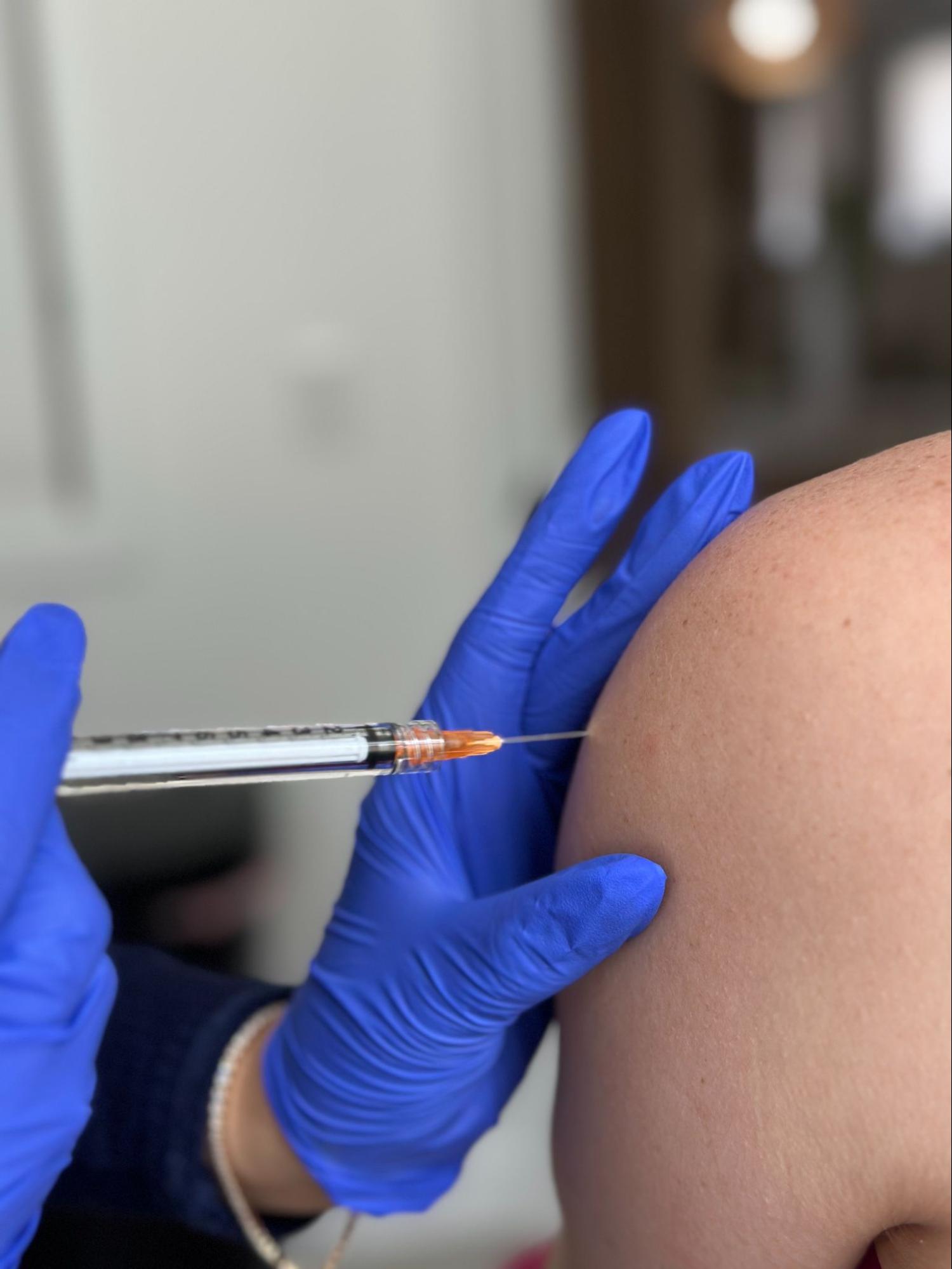
TRT aims to restore healthy testosterone levels through regular intramuscular injections. These injections deliver a controlled release of synthetic testosterone into the glute or thigh muscle. To prevent rapid absorption, TRT formulas include chemical esters like cypionate or enanthate that prolong the hormone's release rate and maintain stable bloodstream levels.
Book Now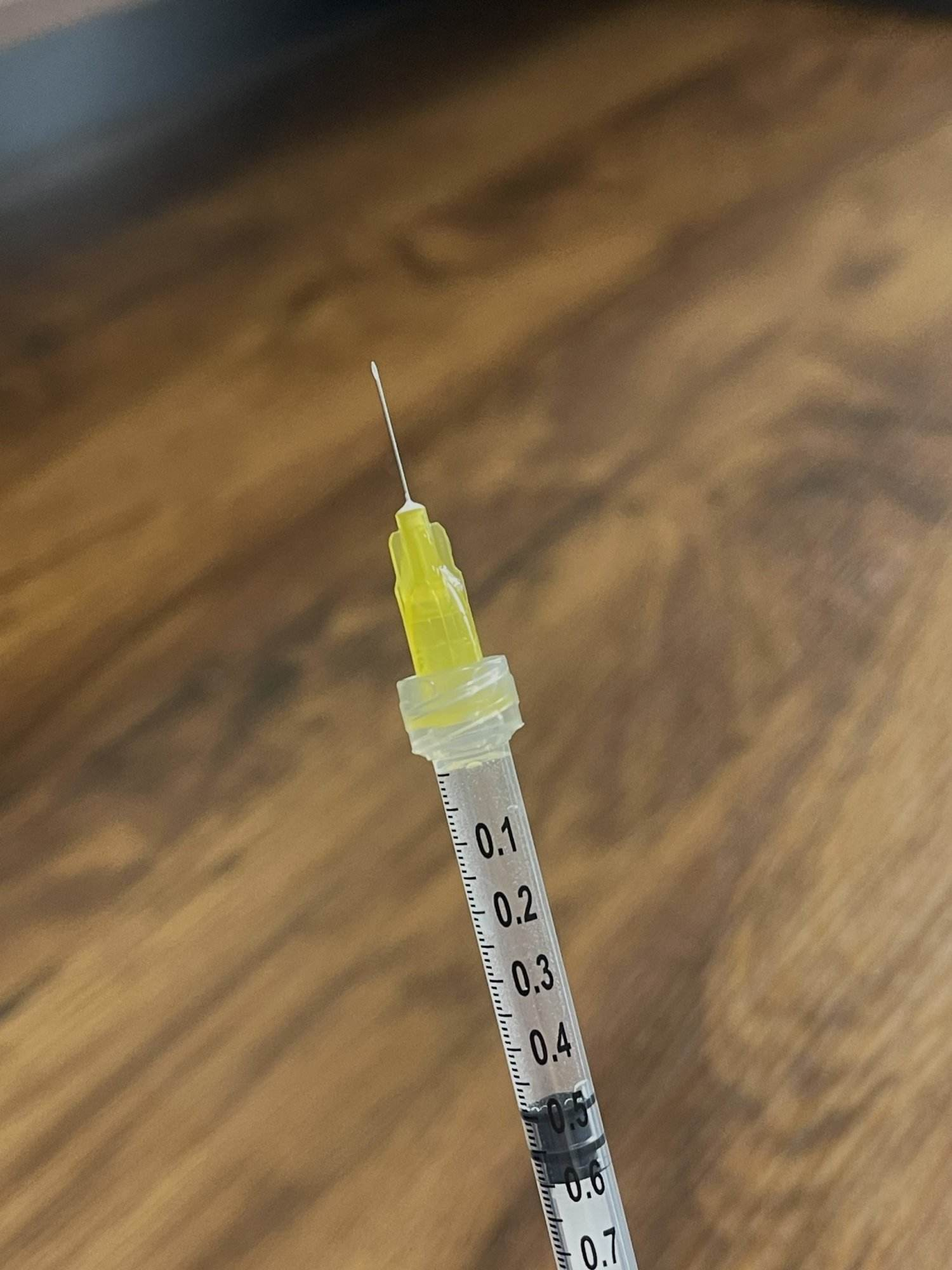
Our Formula
- Testosterone cypionate/enanthate
- May include Anastrozole to help keep your estrogen levels in a healthy range
- May include HCG to keep natural testosterone production active and reduce the risk of testicular shrinkage or fertility problems
Treatment Protocol
- Comprehensive baseline blood panel
- Regular, medically monitored testosterone injections
- Routine follow-up lab work
Conditions It Supports
Hypogonadism (clinical testosterone deficiency) and its symptoms, which may include:
- Reduced libido or sexual function
- Decreased muscle mass and strength
- Increased body fat
- Poor mood or focus
- Poor bone health
Recommended Frequency
Weekly to twice-weekly injections, based on your personalized treatment plan and lab response.
Who It's For
When should I consider testosterone replacement therapy?
Many of our TRT patients started considering the treatment after noticing low-testosterone symptoms like chronic fatigue, irritability, brain fog, loss of libido, erectile dysfunction, and reduced muscle mass. But you can't get a prescription for TRT based only on these symptoms — instead, you need a diagnosis of clinically low testosterone (typically defined as below 300 ng/dL) from a licensed provider. This condition is also known as hypogonadism.
Book NowTherapy Benefits
Benefits of Testosterone Replacement Therapy
May improve energy and stamina
May boost libido and sexual function
May increase muscle strength and mass
May elevate mood and mental clarity
May support fat loss
May promote long-term bone health
Pre-Treatment Lab Testing
Do I need testing before testosterone replacement therapy?
Yes. To stay safe, all patients must have the following labs before starting low-T treatment in NJ, NYC, or PA.
If you have any of these labs completed within the last year, they may not need to be repeated. Our clinical team will review your results during your consultation.
Book NowTotal Testosterone ↓
This test confirms that you have clinically low testosterone levels and need TRT.
Free Testosterone ↓
This test can identify low testosterone levels in people whose total T levels look normal, as it measures the amount of usable testosterone in your body.
Estradiol (Estrogen) ↓
Since testosterone converts into estrogen, this baseline test helps us monitor and prevent excess estrogen levels during TRT.
Hematocrit ↓
This test measures the baseline thickness of your blood. Because TRT can increase red blood cell production, tracking this baseline helps us prevent excess blood thickness and any resulting heart strain.
PSA (Prostate-Specific Antigen) ↓
Because TRT can worsen existing prostate cancer, this test makes sure your prostate is healthy enough to begin treatment.
Lipid Panel ↓
TRT can lower "good" cholesterol and increase "bad" cholesterol, so a baseline lipid panel helps us ensure your levels stay stable during treatment.
Testosterone Replacement Therapy Near Me — NJ, NYC & Philadelphia
Led by Advanced Practice Nurse Rebecca LaMarca, IV Elements' board-certified team provides medically monitored testosterone replacement therapy in NJ at our calming drip lounges in Hoboken, Parsippany, Asbury Park, and Marlton.
Prefer to stay home? We offer mobile injections across NJ, NYC, Philadelphia, and Bucks County, PA, as well as ship-to-home TRT kits for easy self-administration.
Frequently Asked Questions
Testosterone Replacement Therapy FAQs
Where can I get TRT in NJ? ↓
You can get testosterone replacement therapy in NJ at IV Elements' drip lounges in Hoboken, Parsippany, Asbury Park, and Marlton. In addition, we provide in-home treatments across NJ, NYC, Philadelphia, and Bucks County, PA, along with ship-to-home TRT kits.
How much does testosterone replacement cost? ↓
The cost of TRT depends on your specific treatment needs. We'll discuss your pricing options during your consultation.
Is TRT safe long-term? ↓
When prescribed and monitored by a licensed healthcare professional, TRT is generally considered safe for long-term use. But like many medical treatments, it comes with some possible side effects, including increased blood thickness, worsened sleep apnea, lower sperm count, testicular shrinkage, and blood pressure changes.
To reduce these risks, all TRT patients should be monitored by a healthcare professional and get regular bloodwork every 3 to 6 months.
TRT also used to carry a Black Box Warning for major cardiovascular risks like heart attack and stroke. But in 2025, the FDA removed this warning following the TRAVERSE trial, which found that TRT does not carry this risk, though blood pressure should still be monitored.
Who is a candidate? ↓
You may be a candidate for testosterone replacement therapy in NJ, NYC, or Philadelphia if your testosterone levels fall below the standard clinical range. This range is usually defined as under 300 ng/dL. These levels suggest you might have hypogonadism, a condition in which the body doesn't make enough testosterone. Other possible symptoms include chronic fatigue, low libido, erectile dysfunction, loss of muscle mass, brain fog, and irritability.
Before starting TRT, you must also have healthy PSA markers, a normal red blood cell count, and no severe sleep apnea, recent cardiovascular events, or active prostate cancer.
What labs are needed before starting TRT? ↓
Before you begin testosterone injections in NJ, NYC, or Philadelphia, you must check your total T, free T, estradiol, hematocrit, PSA, and lipid levels.
Is TRT covered by insurance? ↓
Yes, many insurance plans cover TRT at alternative medicine or testosterone clinics in NJ, but it must be deemed medically necessary. You'll usually need a doctor's diagnosis of clinically low testosterone (under 300 ng/dL) based on two morning blood tests along with proof of low-testosterone symptoms.
Can I get TRT at home? ↓
Yes. If you have a prescription for TRT, IV Elements offers convenient in-home injections administered by our certified nurses, as well as ship-to-home TRT kits that you can administer yourself.
Sources
References
- Endocrine Society. (n.d.). Testosterone Therapy for Hypogonadism Guideline Resources. Retrieved July 17, 2026, from endocrine.org
- U.S. Food and Drug Administration. (2025, February 28). FDA issues class-wide labeling changes for testosterone products. U.S. Department of Health and Human Services. fda.gov
- Lincoff, A. M., Bhasin, S., Flevaris, P., Mitchell, L. M., Basaria, S., Boden, W. E., Cunningham, G. R., Granger, C. B., Khera, M., Thompson, I. M., Wang, Q., Wolski, K., Davey, D., Kalahasti, V., Khan, N., Miller, M. G., Snabes, M. C., Chan, A., Dubcenco, E., … Nissen, S. E. (2023). Cardiovascular Safety of Testosterone-Replacement Therapy. The New England Journal of Medicine, 389(2). doi.org/10.1056/nejmoa2215025


