What Is Alternative Medicine? A Plain-Language Guide
- August 14, 2026
- Written by : Rebecca LaMarca, MSN, APN-BC, CNS
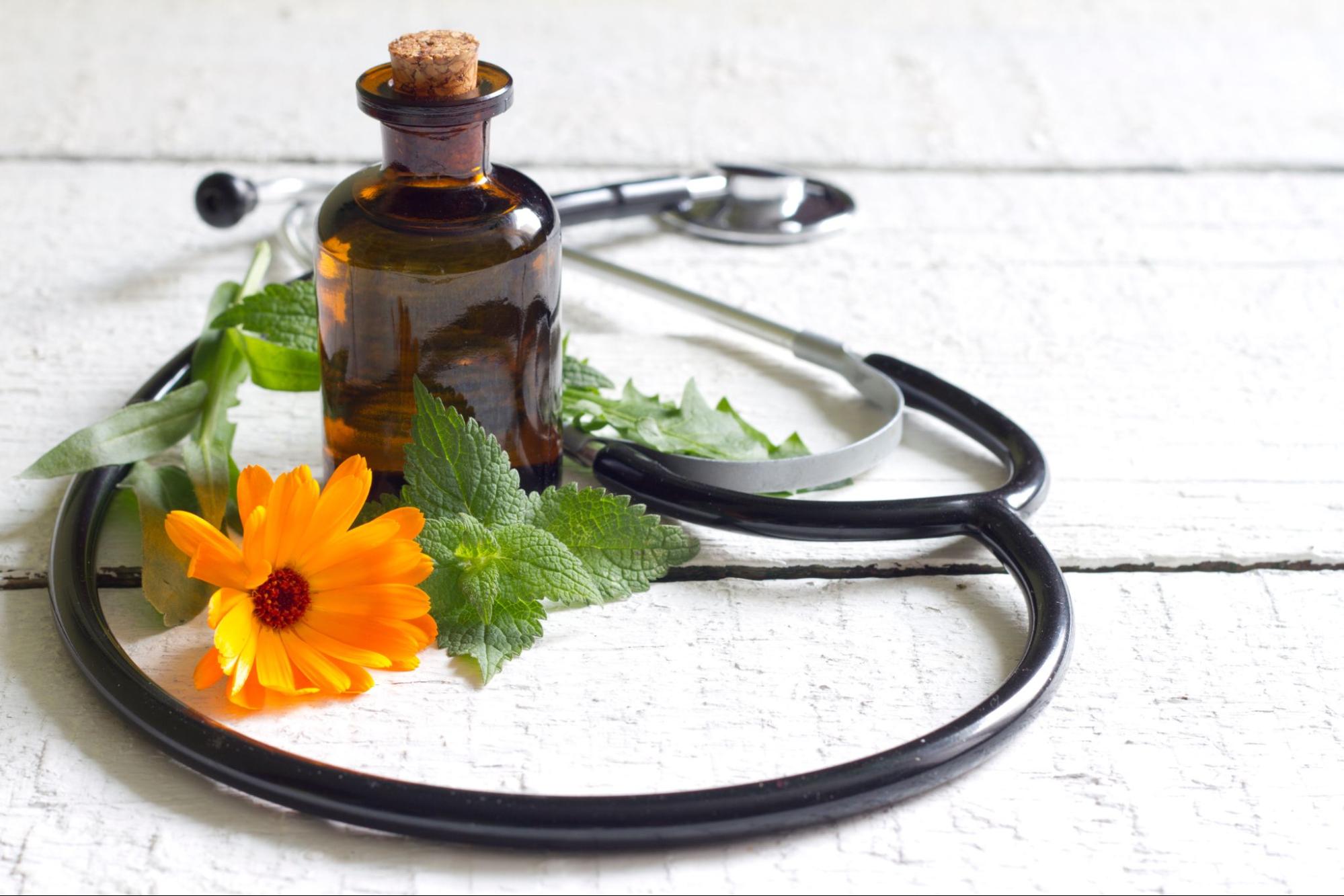
If you’re not getting good results with traditional medical treatments or you’re hoping to improve your overall wellness, you may be wondering if alternative medicine could be a solution.
Alternative medicine covers a wide range of practices, like acupuncture, herbal remedies, and IV nutrient therapy. Some alternative medical practices are used in place of conventional care, while others work best alongside it. Understanding what alternative medicine is can help you choose the right treatment and find a provider you can trust. At IV Elements, we offer a wide range of integrative and alternative medicine treatments across NJ, NYC, and Philadelphia.
What Is Alternative Medicine, Really?
The meaning of “alternative medicine” has evolved quite a bit over the past few decades. In the broadest sense, it refers to health practices that fall outside the mainstream of conventional Western medicine and typically aren’t covered by health insurance. The terminology can get a little confusing, so it helps to know the distinctions:
- Alternative healing medicine is used in place of conventional treatment.
- Complementary medicine is used alongside conventional treatment.
- Integrative medicine brings both together, treating the whole person.
A treatment can fall into more than one category, and that’s sometimes dictated by the person seeking treatment. For example, a person might choose acupuncture as a complementary or alternative treatment for migraines.
Another related concept is functional medicine, which is a methodology, not a treatment. Functional medicine practitioners investigate the causes of a condition rather than just managing its symptoms. They look at how factors like nutrition, fatigue, stress, and environment interact to affect your health. Personalized lab testing and in-depth client health histories help practitioners build a complete picture before recommending any treatment.
What Are the Benefits of Alternative Medicine?
Alternative medicine may benefit people who have difficulty tolerating traditional treatment options or medications. For example, alternative medicine could help alleviate the side effects of chemotherapy.
Alternative medicine can also enhance general wellness. Benefits of certain therapies include increased energy levels, a stronger immune system, and lower levels of stress and anxiety.
Curious how alternative medicine could support your wellness goals?
Book a ConsultationExamples of Alternative Medicine
Here’s a look at some of the most widely practiced types of alternative medical treatment, and what each one is designed to do.
Acupuncture
Acupuncture is a traditional Chinese medicine that involves the placement of thin needles at specific points on the body to encourage the flow of energy and support healing. Research suggests it may help alleviate chronic pain, migraines, and stress-related conditions. Many people use it as complementary treatment rather than a standalone approach.
Herbal Medicine and Botanical Remedies
Herbal medicines are plants and plant-derived compounds that support health. While these remedies are natural, “natural” doesn’t automatically mean “safe” in every context, because some herbs can interact with prescription medications. Always discuss herbal remedies with a knowledgeable provider before adding them to your routine.
Research is inconclusive about whether some herbal remedies are effective. For example, while valerian root is often promoted as a sleep aid, the National Center for Complementary and Integrative Health says there’s insufficient evidence to show that valerian root is effective in treating any health condition.
Ayurveda
This ancient holistic medicine originated in India and focuses on improving wellness through diet, botanical remedies, meditation, and lifestyle modifications. Like most alternative therapy medicine, ayurvedic treatment must be customized to the individual to achieve the best results.
Dietary Supplements and Nutraceuticals
This category includes vitamins, minerals, and other nutrients in a concentrated form. Vitamin D, magnesium, B vitamins, and omega-3 fatty acids are among the most common supplements.
The effectiveness of oral supplements can be limited by gut health, diet, or even the coatings and casings manufacturers add to preserve shelf life. Intravenous vitamin administration bypasses the digestive system for maximum absorption.
Mistletoe Therapy
Mistletoe (Viscum album) is a hemiparasitic plant that clings to certain broad-leaf trees, extracting nutrients and water. Research suggests mistletoe compounds may influence cellular pathways involved in cancer, and it’s widely prescribed in Europe as a complementary therapy for cancer patients. It can be administered via IV or injection and may help support patients experiencing side effects of chemotherapy and radiation. Learn more about high-dose vitamin C and mistletoe therapy at IV Elements.
Mind-Body Practices
Mind-body practices promote the premise that mental and emotional health directly affect physical health. Meditation, yoga, tai chi, guided imagery, and biofeedback all fall into this category. Research supports the use of these practices for stress reduction, chronic pain management, and anxiety, and they’re often incorporated into broader wellness plans alongside other treatments.
Naturopathy
Naturopathic doctors (NDs) are trained in a system of care that emphasizes the body’s innate ability to heal. A naturopath might combine nutrition counseling, herbal medicine, lifestyle recommendations, and other alternative medical practices into a single treatment plan.
While many states have a formal licensing program and legal requirements for NDs, New Jersey does not.
Ozone Therapy
Ozone is a form of oxygen that has three oxygen atoms instead of two. Research suggests ozone therapy may support antioxidant defenses, help modulate inflammation, and improve cellular oxygenation. Integrative providers use ozone as a complementary approach for conditions like chronic fatigue and chronic infections. Ozone therapy is not FDA-approved for the treatment of any condition.
Chelation Therapy
Toxic heavy metals like lead, cadmium, and mercury can build up in the body over time and cause health problems. Chelation therapy is an alternative medical treatment that infuses the body with a binding agent called EDTA, which binds to heavy metals and toxins, allowing them to be excreted. Some integrative practitioners also use chelation as a complementary approach for patients with cardiovascular concerns or heavy metal exposure from mold environments — though these off-label uses are still being studied.
IV Therapy
IV therapy delivers vitamins, minerals, and other therapeutic compounds directly into the bloodstream through an intravenous drip for optimal absorption. It’s one of the more clinically precise forms of alternative medical treatment and highly customizable, in terms of compound formulas and treatment cadence.
This type of therapy is administered by licensed medical providers with rigorous training in functional medicine. Some providers also offer mobile IV therapy, which is convenient for people who prefer at-home care or are unable to travel.
Interested in trying one of these alternative medicine treatments? Our board-certified team will help you find the right fit for your health goals.
Schedule Your Consultation →Is Alternative Medicine Effective?
Some alternative therapies have meaningful research behind their effectiveness, while others are still being studied. What are alternative medicines’ benefits? The honest answer is that it depends on the treatment and the condition.
A functional medicine provider looks at your full health picture, knows what the research says, and doesn’t try to sell you on a single approach. For some people, the most effective treatment involves a mix of traditional and complementary medicine.
6 Steps for Choosing the Right Alternative Medicine Provider
Finding a trustworthy alternative medicine practitioner is one of the most important steps in this process. Unfortunately, there’s no shortage of unqualified providers and misleading claims, so doing your homework genuinely matters when choosing a provider. Here’s what to look for.
1. Start with credentials
Anyone providing alternative medical treatments should hold a license in their field. Nurse practitioners, registered nurses, and physicians are all accountable to state licensing boards and have formal clinical training, while other alternative medicine providers may not be regulated at all.
2. Ask how they assess your condition before treating it
A good provider will take a thorough health history and, where appropriate, order lab work before recommending anything. Be cautious of anyone who skips the assessment phase entirely and jumps straight to selling you a package of treatments. Personalized care starts with actually understanding your health and your goals.
3. Find out how they’ll explain their recommendations
Any qualified provider should be able to tell you what they’re recommending and why — what the treatment is designed to do, what outcomes are realistic, and how they’ll track your progress over time.
4. Ask whether they’ll work with your other providers
A skilled integrative practitioner welcomes communication with your primary care doctor or specialist rather than positioning themselves as a replacement. If a provider insists you can’t pursue other care while working with them, they’re operating in their own best interests, not yours.
5. Look at reviews carefully
Word of mouth from people with similar health histories and concerns carries real weight. Look for providers with detailed, verifiable reviews from real patients — not just a wall of five-star ratings with no substance behind them.
6. Pay attention to the intake process
A thorough intake should cover your health history, current medications, wellness goals, and lifestyle. A practitioner should also help you understand your plan of care, such as how long each treatment will be, the number of treatments you’ll need, and the intervals between them.
There are genuinely skilled, trustworthy alternative medicine providers working in this space. Asking the right questions can help you find them.
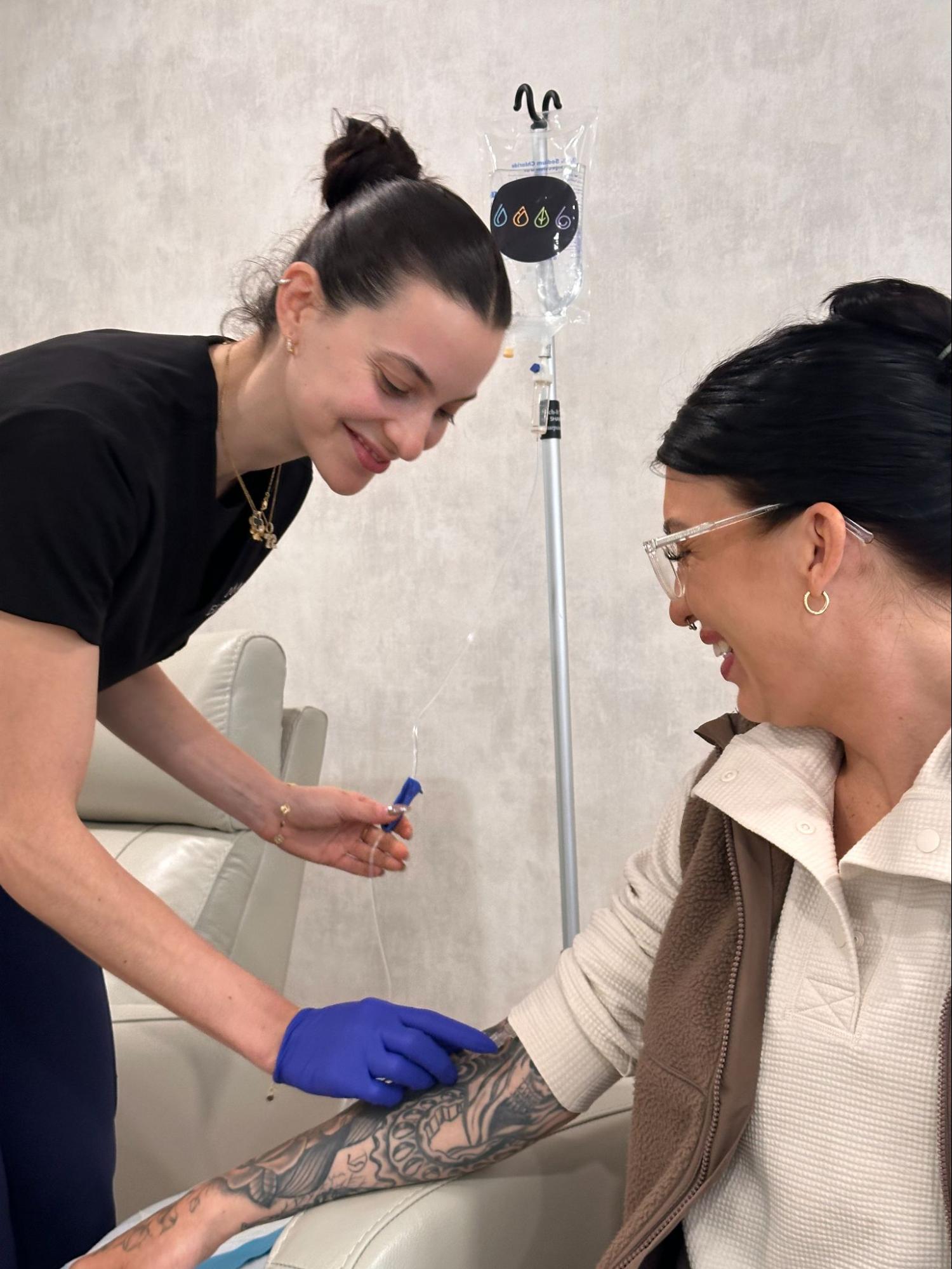
IV Therapy: Delivering Nutrients the Way Your Body Can Actually Use Them
Of all the alternative therapy medicine options available today, IV nutrient therapy offers something fairly distinctive: precise delivery.
Several nutrients are particularly well-suited to IV delivery:
- High-dose vitamin C has been studied for immune support and as a complement to conventional cancer treatment, with research suggesting it may support the body during and after chemotherapy and radiation. This water-soluble vitamin does not stay in the body when taken orally, but a high dose delivered via IV provides longer-lasting benefits.
- B vitamins support cellular energy production, neurological health, and recovery from adrenal fatigue.
- Magnesium may help soften the body’s stress response, ease muscle tension, and support cardiovascular health.
- Glutathione, often called the body’s master antioxidant, supports detoxification and has skin-brightening and anti-aging properties.
- NAD+ and its derivatives (including newer forms like NR/Niagen) may support cellular repair, DNA health, and energy production that often declines with age.
What separates good IV therapy from a generic wellness menu is the assessment that precedes it. Functional medicine-trained providers use comprehensive lab work to identify deficiencies and tailor IV protocols to what your body needs. That’s a meaningful difference from walking into a wellness spa and picking a drip service from a laminated menu.
Who Should Administer IV Therapy?
This is a question more people should ask before booking a session. IV therapy involves placing a needle in a vein and introducing substances directly into the bloodstream. That’s a clinical procedure, and it requires proper training to perform safely.
At IV Elements, every provider is an accredited healthcare professional with specialized training in functional medicine. Our founder, Rebecca LaMarca (MSN, APN-BC — PAAM, IFM, SIO), is a PAAM-certified mistletoe provider with advanced training in ozone therapy. Before any treatment, we conduct thorough assessments and order lab work to make sure each protocol is right for every client.
IV Elements serves clients at several locations in New Jersey, Philadelphia, and New York City, and we also offer mobile services for many of our treatments. For many clients, the ability to receive care without traveling is a big part of what makes treatment sustainable.
Could IV Therapy Be Part of Your Wellness Plan?
IV nutrient therapy is used for a wide range of health goals — some medical, some general wellness. IV Elements works with clients dealing with adrenal fatigue, autoimmune conditions, heavy metal toxicity, chemo and radiation side effects, hormonal imbalances, and more. But plenty of clients come to us simply for hydration, energy support, or skin health.
If you’re curious about what IV therapy could do for your health, a good next step is browsing the IV Elements treatment menu to see the range of options available, or reaching out to book a consultation with us. We can help you determine how IV therapy could support your health and wellness goals.
Ready to explore alternative medicine with a team you can trust?
Book Your ConsultationFrequently Asked Questions
What’s the difference between alternative, complementary, and integrative medicine?
The terms overlap but have meaningful distinctions. Alternative medicine is used in place of conventional treatment. Complementary medicine is used alongside conventional treatment. Integrative medicine combines both approaches and treats the whole person — mental, physical, emotional. Most modern practices at reputable clinics fall under integrative or complementary care rather than purely alternative.
Is alternative medicine safe?
Alternative medicine can be safe when provided by a properly licensed, board-certified practitioner following evidence-based protocols. Risks come from unlicensed providers, untested products, or treatments that interact poorly with prescription medications. Always disclose all supplements and alternative therapies to your primary care provider, and choose practitioners who conduct thorough health assessments before treatment.
Can I use alternative medicine with prescription medications?
Sometimes, but not always. Some herbal supplements and IV therapies can interact with prescription medications — for example, high-dose vitamin C can affect certain chemotherapy drugs, and curcumin can interact with blood thinners. Always share your full medication list with any alternative medicine provider, and consult your primary care doctor before starting a new therapy.
Is alternative medicine covered by insurance?
Most alternative therapies — including IV nutrient therapy, ozone therapy, and mistletoe therapy — are not typically covered by health insurance in the U.S. Some HSA and FSA accounts may cover certain treatments with a letter of medical necessity. Acupuncture is one of the more commonly covered exceptions. Check with your provider before assuming coverage.
Who regulates alternative medicine providers?
It varies widely by treatment and state. Licensed nurses, physicians, and nurse practitioners are regulated by state medical boards regardless of what treatments they offer. Naturopathic doctors are licensed in some states (not New Jersey). Acupuncturists usually require state licensing. Herbalists, energy healers, and other practitioners often aren’t formally regulated at all — which is why credentials matter when choosing a provider.
What alternative medicine services does IV Elements offer?
IV Elements offers a wide range of integrative and alternative medicine treatments, including IV nutrient therapy, ozone therapy, mistletoe therapy, chelation therapy, NAD+ therapy, high-dose vitamin C, and holistic health coaching with functional lab testing. All treatments are administered by board-certified nurses under the leadership of Rebecca LaMarca (MSN, APN-BC — PAAM, IFM, SIO).
Where can I get alternative medicine treatments in NJ?
You can visit IV Elements at our drip lounges in Hoboken, Parsippany, Asbury Park, and Marlton, plus our partnership location at Namaste Spa in Ridgewood. We also offer mobile treatments throughout NJ, NYC, Philadelphia, and Bucks County, PA.
References
- National Center for Complementary and Integrative Health. (n.d.). Complementary, Alternative, or Integrative Health: What’s In a Name? U.S. Department of Health & Human Services. https://www.nccih.nih.gov/health/complementary-alternative-or-integrative-health-whats-in-a-name
- National Center for Complementary and Integrative Health. (2020). Valerian. U.S. Department of Health & Human Services. https://www.nccih.nih.gov/health/valerian
- Vickers, A. J., Vertosick, E. A., Lewith, G., MacPherson, H., Foster, N. E., Sherman, K. J., Irnich, D., Witt, C. M., & Linde, K. (2018). Acupuncture for Chronic Pain: Update of an Individual Patient Data Meta-Analysis. The Journal of Pain, 19(5), 455–474. https://doi.org/10.1016/j.jpain.2017.11.005
- Ostermann, T., Appelbaum, S., Poier, D., Boehm, K., Raak, C., & Büssing, A. (2020). A Systematic Review and Meta-Analysis on the Survival of Cancer Patients Treated with a Fermented Viscum album L. Extract (Iscador): An Update of Findings. Complementary Medicine Research, 27(4), 260–271. https://doi.org/10.1159/000505202
- Kienle, G. S., & Kiene, H. (2010). Influence of Viscum album L (European Mistletoe) Extracts on Quality of Life in Cancer Patients: A Systematic Review of Controlled Clinical Studies. Integrative Cancer Therapies, 9(2), 142–157. https://doi.org/10.1177/1534735410369673
- Elvis, A. M., & Ekta, J. S. (2011). Ozone therapy: A clinical review. Journal of Natural Science, Biology, and Medicine, 2(1), 66–70. https://doi.org/10.4103/0976-9668.82319
- Lietz-Kijak, D., et al. (2026). Medical ozone: mechanisms, biological effects and clinical evidence — a narrative review. Frontiers in Medicine, 13. https://doi.org/10.3389/fmed.2026.1859221
- U.S. Food and Drug Administration. (2010). FDA issues warnings to marketers of unapproved ‘chelation’ products. https://www.fda.gov/news-events/press-announcements/fda-issues-warnings-marketers-unapproved-chelation-products
- Nasr, C. E., et al. (2013). Effect of disodium EDTA chelation regimen on cardiovascular events in patients with previous myocardial infarction: The TACT randomized trial. JAMA, 309(12), 1241–1250. https://doi.org/10.1001/jama.2013.2107
- Ma, Y., Chapman, J., Levine, M., Polireddy, K., Drisko, J., & Chen, Q. (2014). High-Dose Parenteral Ascorbate Enhanced Chemosensitivity of Ovarian Cancer and Reduced Toxicity of Chemotherapy. Science Translational Medicine, 6(222), 222ra18. https://doi.org/10.1126/scitranslmed.3007154
- Rajman, L., Chwalek, K., & Sinclair, D. A. (2018). Therapeutic Potential of NAD-Boosting Molecules: The In Vivo Evidence. Cell Metabolism, 27(3), 529–547. https://doi.org/10.1016/j.cmet.2018.02.011
- Sinha, R., et al. (2018). Oral supplementation with liposomal glutathione elevates body stores of glutathione and markers of immune function. European Journal of Clinical Nutrition, 72(1), 105–111. https://doi.org/10.1038/ejcn.2017.132
- National Center for Complementary and Integrative Health. (n.d.). Ayurvedic Medicine: In Depth. U.S. Department of Health & Human Services. https://www.nccih.nih.gov/health/ayurvedic-medicine-in-depth
- New Jersey Division of Consumer Affairs. (n.d.). Licensed Health Professions in New Jersey. https://www.njconsumeraffairs.gov/
 Share
 Tweet
 Share
 Email


