Vitamin D Benefits: Why This Nutrient Matters for Your Health
- June 18, 2024
- Written by : Rebecca LaMarca, MSN, APN-BC, CNS
Vitamin D, also called calciferol, is a fat-soluble vitamin you mainly get from sunlight. According to the National Institutes of Health, it is “produced endogenously when ultraviolet (UV) rays from sunlight strike the skin and trigger vitamin D synthesis.”
It’s also found in certain foods, including fish like rainbow trout and salmon, dairy and fortified soy alternatives like soy milk and yogurt, mushrooms, and fortified orange juice, according to Dietary Guidelines for Americans.2
You can also get more vitamin D by taking oral supplements or getting injections. No matter how you receive it, this nutrient plays an important role in your physical and mental health. Here’s what you should know about vitamin D benefits and how the experienced, certified nurses at IV Elements can help you boost your levels in New Jersey, New York City, Philadelphia, and Bucks County.

What does vitamin D do for the body?
Vitamin D has a number of benefits that can enhance your health and quality of life.
Bone support
Perhaps the most well-known benefit, vitamin D strengthens your bones because it helps your body absorb calcium. Calcium is a main building block of bones, and it can only be absorbed when vitamin D is present. By improving bone support, vitamin D makes it easier for you to stay active and avoid injury. It also lowers your risk of osteoporosis, a condition that thins and weakens the bones, and osteomalacia, a condition that softens the bones. Osteomalacia can also present in children, in which case it’s known as rickets.
Immune support
Vitamin D boosts your immune system so you can more easily fight off infections and avoid inflammation. It helps your body produce cathelicidin, which is a molecule that supports your immune system by killing viruses, bacteria, and other pathogens.
Some research has even linked higher vitamin D levels with a lower risk of certain cancers, though more studies are needed.
Improved mood
Like many nutrients, vitamin D can help you feel happier and calmer. Low vitamin D might worsen symptoms of anxiety and depression like:
- trouble concentrating
- persistent sadness or emptiness
- excessive worrying
- loss of interest in activities
- irritability
- trouble sleeping
Vitamin D can help with these symptoms because of its antioxidant properties and activity in brain tissue. This can help you get through your day with a less stressed mindset.
Stronger muscles
Vitamin D helps your muscles function. That’s because it increases calcium absorption, and your muscles can’t properly contract without calcium. If you don’t get enough vitamin D, your muscles might become weak and more prone to injuries.
The vitamin also helps your muscles grow and repair. Strong muscles make it easier to avoid and recover from injuries so you can stay active and healthy.
Metabolism support
Vitamin D has been linked to decreased insulin resistance and metabolic syndrome, as it helps regulate your body’s response to insulin. It may also help regulate your metabolism by reducing inflammation.
Vitamin D also plays a role in fat metabolism because fat tissue contains vitamin D receptors. That means it can aid weight loss, helping people recover from obesity and related conditions.
Better hormone balance
Vitamin D may also prevent or treat conditions related to hormone imbalance, particularly secondary hyperparathyroidism. This condition occurs when the parathyroid glands become overactive due to low calcium. Thus, vitamin D can help treat the condition by increasing your body’s calcium absorption.
Though more research is needed, some studies also suggest that vitamin D might help manage other hormone-related conditions, including PCOS, type 2 diabetes, and Hashimoto’s thyroiditis.
Healthier blood pressure
Low vitamin D comes with an increased risk of high blood pressure and hypertension. That’s because the nutrient supports blood vessel function. Getting more vitamin D can help make your blood pressure more normal.
Vitamin D may also help regulate your blood pressure by suppressing the renin-angiotensin system (RAS), which has been linked to high blood pressure.
Does vitamin D have different benefits for men vs. women?
Everyone benefits from vitamin D, but you might see unique benefits based on your sex. For instance, epidemiological data shows that vitamin D deficiency in men can be tied to erectile dysfunction, meaning proper vitamin D levels are important for men’s sexual activity.
Also, vitamin D is especially important for women because they face a higher risk of osteoporosis and fractures as they age. According to the Cleveland Clinic, half of people assigned female at birth over 50 years old have osteoporosis, compared with about a quarter of those assigned male at birth in the same age range.
What are signs of vitamin D deficiency?
Since vitamin D has so many benefits, it’s important to know if you have a deficiency. Vitamin D deficiencies are incredibly common worldwide. According to the Cleveland Clinic, about 1 billion people across the globe, including 35% of U.S. adults., are vitamin D deficient. The most common signs include:
- fatigue
- muscle weakness, cramps, or aches
- bone pain
- mood swings
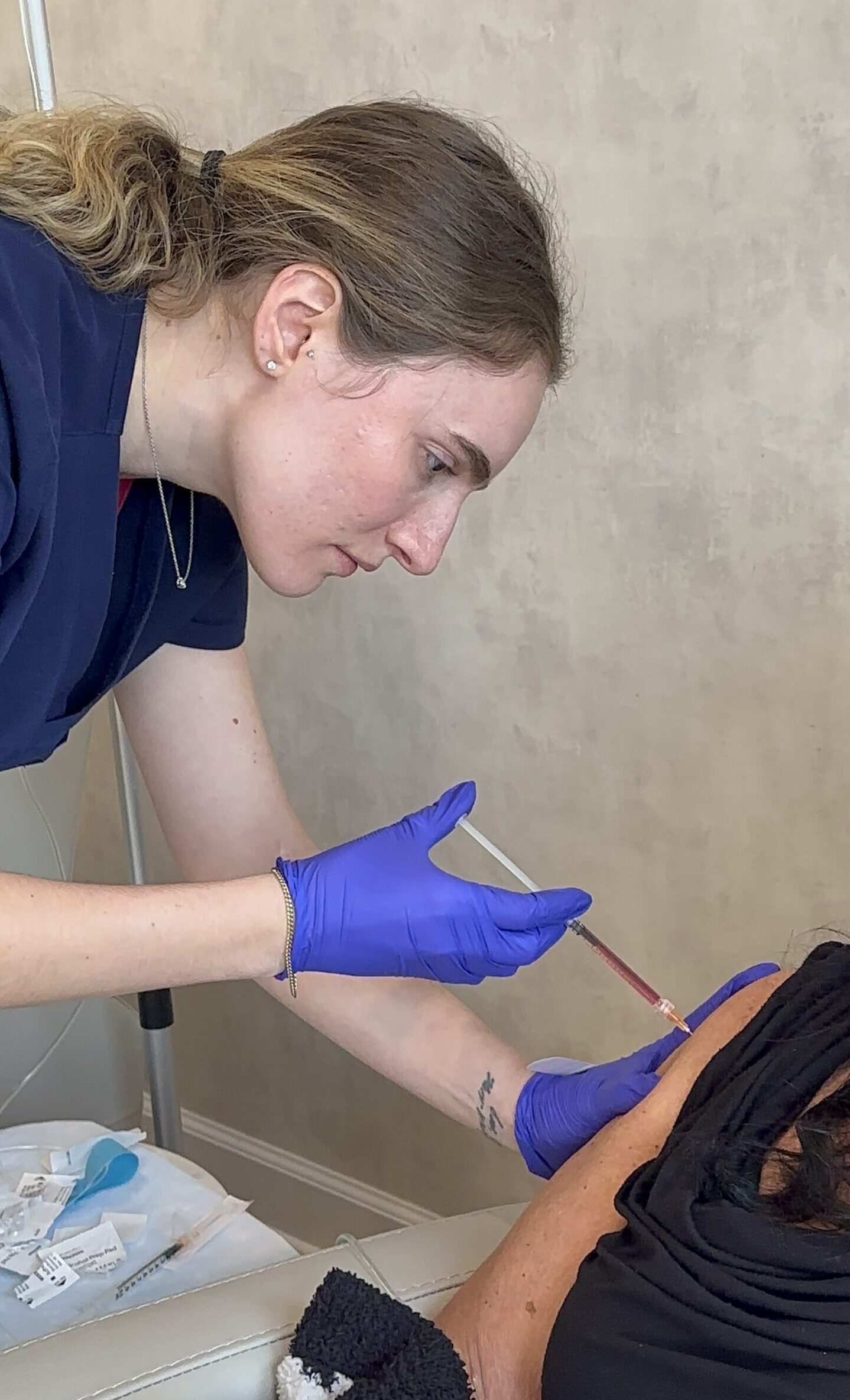
If you notice these signs, you can get more vitamin D by eating more vitamin D-rich foods, getting more sunlight, taking oral supplements, or getting an injection. The skilled team at IV Elements, under the leadership of a board-certified advanced practice nurse, offers personalized vitamin D booster shots in Hoboken, Asbury Park, Parsippany, and Marlton, NJ. We also provide comfortable in-home injections across NJ, NYC, Philadelphia, and Bucks County.
Side effects of vitamin D
While vitamin D is generally safe to consume when taken in appropriate doses, there can be adverse side effects when taking too much. According to the Mayo Clinic, “children age 9 years and older, adults, and pregnant and breastfeeding women who take more than 4,000 IU a day of vitamin D might experience” several side effects, including nausea and vomiting, poor appetite and weight loss, constipation, weakness, confusion and disorientation, heart rhythm problems, kidney stones and kidney damage.
That’s why you should always talk to your doctor before trying to boost your vitamin D levels. Your doctor can check your overall health and current vitamin D levels and come up with the safest and most effective dose for you.
Recharge your vitamin D levels with personalized booster shots at IV Elements
Ready to reap the rewards of vitamin D? At IV Elements, we offer convenient vitamin D injections at our drip lounges in Hoboken, Asbury Park, Parsippany, and Marlton. Whether you want to strengthen your bones, boost your mood, or enjoy any of the other vitamin D benefits described above, our customized booster shots make it easy to meet your goals.
For even greater health, consider combining the shot with a vitamin IV treatment to help you look and feel your best. As proud members of the Physicians’ Association for Anthroposophic Medicine (PAAM), Society for Integrative Oncology (SIO), and Institute of Functional Medicine (IFM), we provide a wide range of drip services, including at-home treatments for maximum convenience and comfort. Contact us today to explore all of our offerings and book your first vitamin D booster.
Frequently Asked Questions
What does vitamin D do for the body?
Vitamin D supports bone strength by helping your body absorb calcium and phosphorus, plays a role in immune function, supports mood and muscle health, and contributes to overall wellness. It also helps regulate hormones related to metabolism and cardiovascular health.
How much vitamin D do I need daily?
The recommended daily intake is 600 IU for most adults under 70 and 800 IU for adults over 70, according to the National Institutes of Health. Some people may need more depending on factors like skin tone, geographic location, age, and existing deficiency, so it is best to check with your healthcare provider.
What are the symptoms of vitamin D deficiency?
Common symptoms include fatigue, bone pain, muscle weakness, frequent illness, mood changes such as depression, hair loss, and slow wound healing. Many people with low vitamin D have no obvious symptoms, which is why a blood test is the most reliable way to know your levels.
Can you get enough vitamin D from sunlight alone?
For some people, yes. About 10 to 30 minutes of midday sun exposure several times a week can produce adequate vitamin D. However, factors like darker skin tone, sunscreen use, living in northern latitudes, indoor lifestyles, and the winter season can make it difficult to get enough through sunlight alone.
What foods are highest in vitamin D?
The richest food sources include fatty fish like salmon, rainbow trout, mackerel, and sardines, as well as cod liver oil, egg yolks, and fortified foods such as milk, soy milk, orange juice, yogurt, and cereals. Mushrooms exposed to UV light also provide vitamin D.
Are vitamin D injections better than oral supplements?
Vitamin D injections can be especially helpful for people with malabsorption issues, severe deficiencies, or those who struggle to maintain adequate levels through oral supplementation. They deliver vitamin D directly into the bloodstream for faster, more reliable absorption, but oral supplements work well for most people. Your healthcare provider can help determine which option is right for you.
Can you take too much vitamin D?
Yes, vitamin D toxicity is possible, though uncommon. Excessive intake, typically from very high-dose supplements over time, can cause nausea, vomiting, weakness, and dangerously high calcium levels in the blood. The tolerable upper limit is generally 4,000 IU per day for adults, but always consult with a healthcare provider before taking high doses.
REFERENCES
- Office of Dietary Supplements – Vitamin D. (n.d.). https://ods.od.nih.gov/factsheets/VitaminD-HealthProfessional/
- Harvard T.H. Chan School of Public Health. (n.d.). Vitamin D. The Nutrition Source. https://nutritionsource.hsph.harvard.edu/vitamin-d/
- Cleveland Clinic. (2022, August 2). Vitamin D deficiency: Causes, symptoms & treatment. https://my.clevelandclinic.org/health/diseases/15050-vitamin-d-vitamin-d-deficiency
- National Institute of Arthritis and Musculoskeletal and Skin Diseases. (n.d.). Calcium and vitamin D: Important for bone health. https://www.niams.nih.gov/health-topics/calcium-and-vitamin-d-important-bone-health
- Aranow, C. (2011). Vitamin D and the immune system. Journal of Investigative Medicine, 59(6), 881–886. https://doi.org/10.231/JIM.0b013e31821b8755
- Han, J., Guo, X., Yu, X., Liu, S., Cui, X., Zhang, B., & Liang, H. (2019). 25-Hydroxyvitamin D and total cancer incidence and mortality: A meta-analysis of prospective cohort studies. Nutrients, 11(10), 2295. https://doi.org/10.3390/nu11102295
- Akpınar, Ş., & Karadağ, M. G. (2022). Is vitamin D important in anxiety or depression? What is the truth? Current Nutrition Reports, 11(4). https://doi.org/10.1007/s13668-022-00441-0
- Dzik, K. P., & Kaczor, J. J. (2019). Mechanisms of vitamin D on skeletal muscle function: Oxidative stress, energy metabolism and anabolic state. European Journal of Applied Physiology, 119(4), 825–839. https://doi.org/10.1007/s00421-019-04104-x
- Wimalawansa, S. J. (2018). Associations of vitamin D with insulin resistance, obesity, type 2 diabetes, and metabolic syndrome. The Journal of Steroid Biochemistry and Molecular Biology, 175, 177–189. https://doi.org/10.1016/j.jsbmb.2016.09.017
- Miao, C., Fang, X., Chen, Y., & Zhang, Q. (2020). Effect of vitamin D supplementation on polycystic ovary syndrome: A meta-analysis. Experimental and Therapeutic Medicine, 19(4). https://doi.org/10.3892/etm.2020.8525
- Harris, E. (2023). Meta-analysis: Vitamin D therapy reduced type 2 diabetes. JAMA. https://doi.org/10.1001/jama.2023.1550
- Mokhtari, E., Hajhashemy, Z., & Saneei, P. (2022). Serum vitamin D levels in relation to hypertension and pre-hypertension in adults: A systematic review and dose–response meta-analysis of epidemiologic studies. Frontiers in Nutrition, 9. https://doi.org/10.3389/fnut.2022.829307
- Canguven, O., & Al Malki, A. H. (2020). Vitamin D and male erectile function: An updated review. The World Journal of Men’s Health, 38(1). https://doi.org/10.5534/wjmh.190151
- Bohon, T. M., & Goolsby, M. A. (2013). The role of vitamin D supplements in women’s health. Clinical Medicine Insights: Women’s Health, 6, CMWH.S11067. https://doi.org/10.4137/cmwh.s11067
- Cleveland Clinic. (2023, July 20). Osteoporosis. https://my.clevelandclinic.org/health/diseases/4443-osteoporosis
- Iraj, B., Aminorroaya, A., & Amini, M. (2012). Does the intramuscular injection of vitamin D increase insulin resistance? Journal of Research in Pharmacy Practice, 1(2), 60. https://doi.org/10.4103/2279-042x.108372
- Mayo Clinic. (2025, March 21). Vitamin D. https://www.mayoclinic.org/drugs-supplements-vitamin-d/art-20363792
 Share
Share  Tweet
Tweet  Share
Share  Email
Email